Spring light can make your listing sparkle. In Long Beach, the ocean breeze, salt spray, and boardwalk rules can complicate photo day fast. With the right prep, you can capture clean, scroll-stopping images that showcase your home and its coastal lifestyle. This guide gives you a simple, local plan from permits and timing to room-by-room staging. Let’s dive in.
Know the Long Beach rules
Before you book a photographer, confirm what you can and cannot shoot on public property. It protects your timeline and keeps your marketing on track.
Boardwalk and beach permits
If you plan to photograph on the boardwalk, beach, or any City of Long Beach property, a commercial film/photography permit is required. The city’s application outlines fees, insurance, and what gear and crew you must list. Filming on the beach or boardwalk is prohibited from Memorial Day through Labor Day, so plan spring shoots before peak season. Review the city’s requirements using the official Long Beach film and photo application.
Tip: If any frame will be taken on city property or prominently includes the boardwalk, contact the Events Office early. The city’s broader event guidelines also cover rules for boardwalk use and seasonal fees. You can confirm logistics through the Use of City Property and Special Event application.
Parking and production logistics
Permits can include parking reservations, traffic control, and sanitation staffing. If your shoot involves trucks, rental furniture, or extra crew, build those line items into your schedule and budget. The event packet lists current rates and rules for city support services. See details in the Use of City Property guidelines.
Drone and airspace
Aerial photos used to market your home count as a commercial operation. Ask your agent or photographer if the pilot holds an FAA Part 107 Remote Pilot Certificate and will handle any airspace authorizations. You can learn more from the FAA’s guidance for small UAS operations at the FAA drone operations page. If you plan to include drone work in a public-space shoot, list it on the city application and confirm insurance.
HOA and condo permissions
If you live in a condo or HOA, ask management for written approval before staging or photographing common areas like lobbies, hallways, or shared balconies. Follow your building’s rules for furniture placement and planters on shared walkways.
Focus on high-impact rooms first
Staging has real impact on buyer perception. In recent research, 83% of buyers’ agents said staging made it easier for buyers to visualize the property as a future home, with the living room, primary bedroom, and kitchen most often staged. Prioritize those areas for the biggest return. See the national snapshot from NAR’s Profile of Home Staging.
Living room
- Remove extra furniture so the room feels open and easy to navigate.
- Clear surfaces and style one simple coffee-table vignette for scale.
- Use neutral throws and pillows. Clean windows so views read clearly in photos.
Kitchen
- Clear countertops, keeping only one or two useful items visible.
- Polish fixtures and stainless surfaces that can dull in salty air.
- Organize open shelves and the pantry so quick peeks look tidy.
Primary bedroom
- Use neutral bedding and minimize personal photos.
- Edit nightstands and dressers to a few balanced pieces.
- Straighten closets since buyers often look inside.
Bathrooms
- Clear counters, replace tired caulk, and tighten any loose hardware.
- Clean mirrors and glass. Rusted towel bars or fixtures should be replaced.
- Keep scents light to avoid overpowering small spaces on photo day.
Elevate exteriors and views
Your exterior hero shot often decides whether buyers click. On the South Shore, a few coastal-specific touches make a big difference.
Curb and coastal first impressions
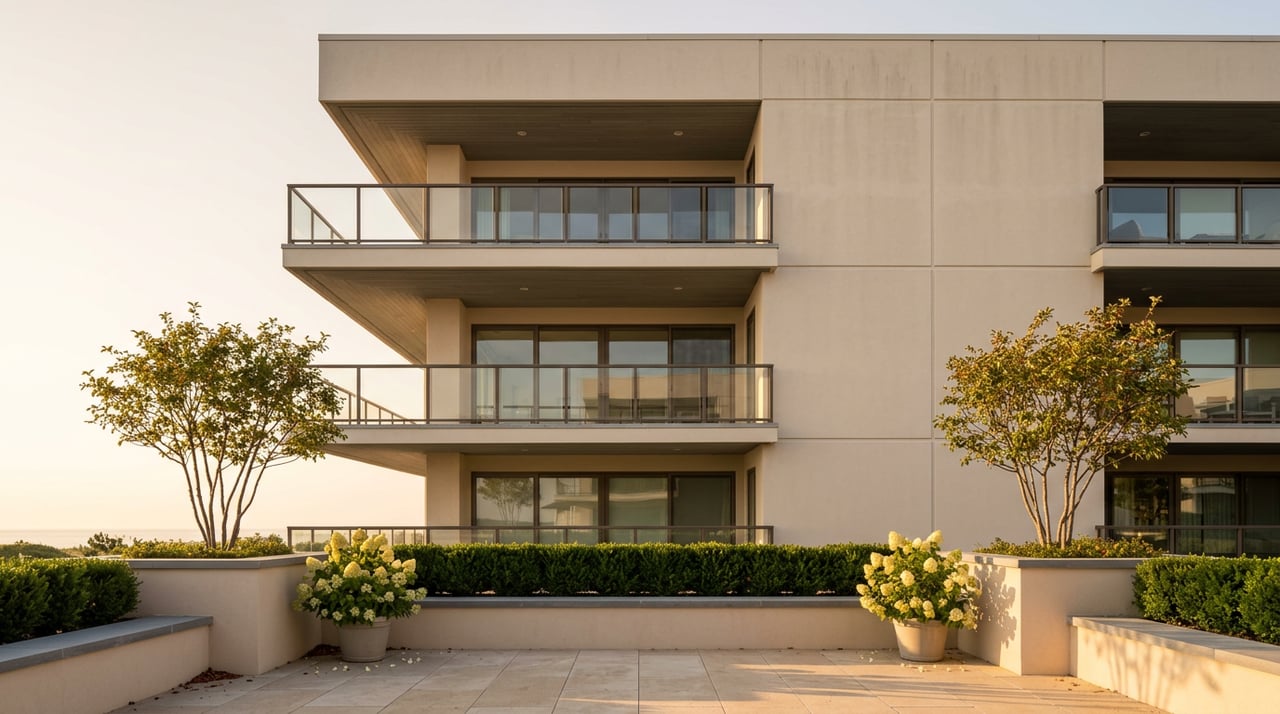
- Rinse ocean-facing siding, railings, and glass with fresh water to remove salt residue. Touch up any rust on metal.
- Trim beds, refresh mulch, and add container planters with seasonal color. For selections that handle salt and wind, use the Cornell Cooperative Extension’s seashore plant guide.
- If your home is by the boardwalk, schedule exterior shots on weekday mornings to reduce foot traffic. Do not place props on the public boardwalk without approvals. Confirm rules via the city’s Use of City Property guidelines.
Balconies, decks, and outdoor living
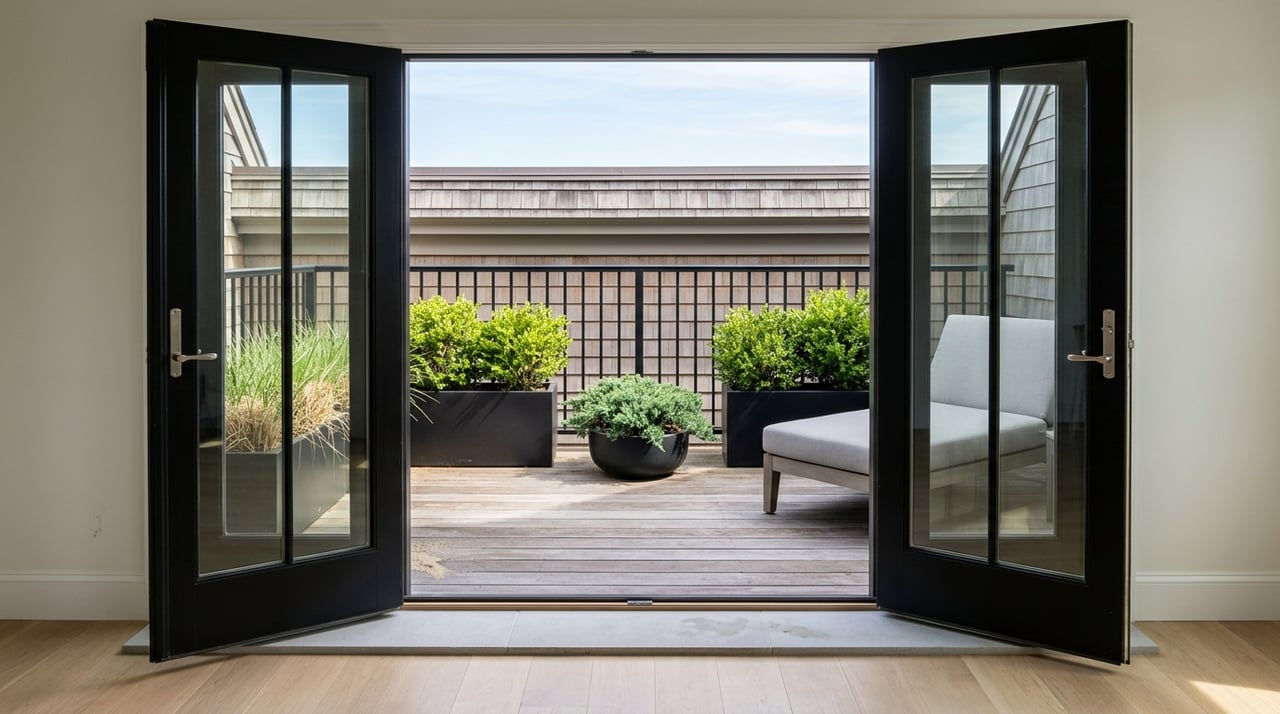
- Sweep sand and clean decking. Replace or launder outdoor cushions so they look fresh.
- Remove personal items and extra gear; keep styling simple with a small bistro set, neutral cushions, and one plant.
- Frame the view. Ask your photographer for angles that show sightlines to the boardwalk, beach, or sunrise/sunset.
Lifestyle and twilight shots
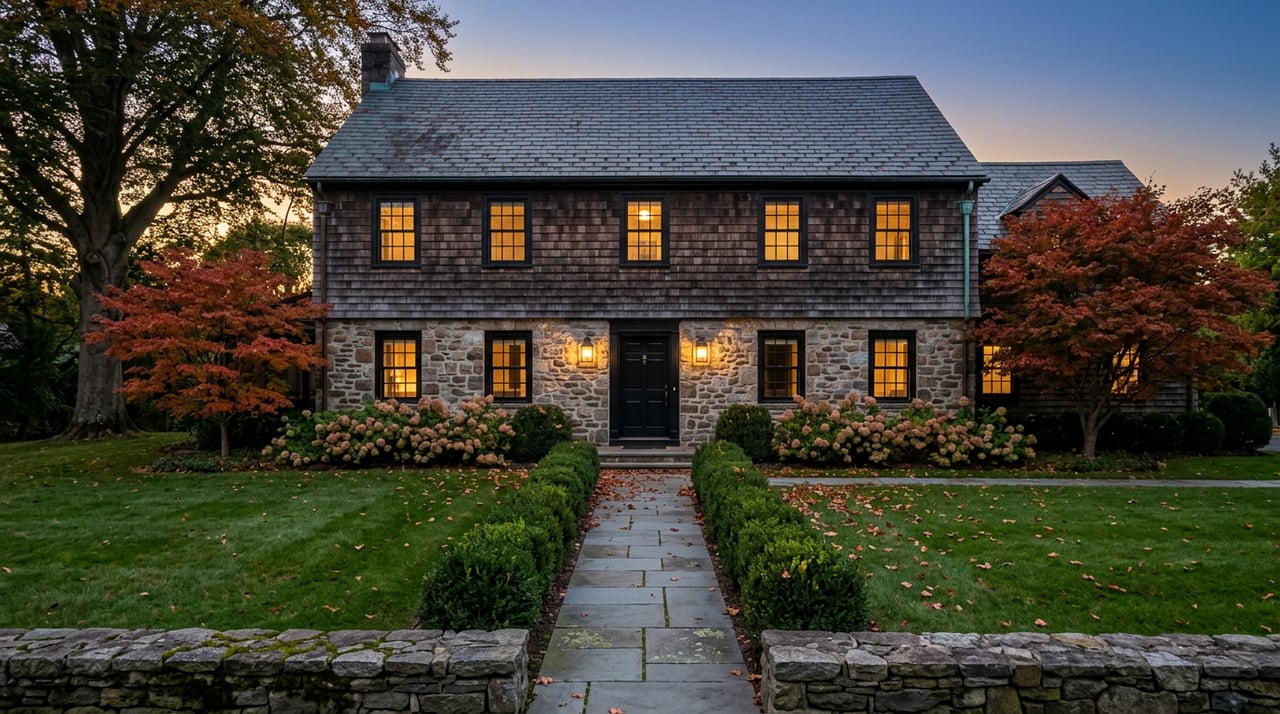
A well-timed twilight image can elevate your listing and boost engagement. If you have landscape or exterior lighting, consider one dusk photo that shows warm interior light against a blue sky. Learn when twilight works best from this overview of luxury listing photography.
Time your shoot for the best light
- Exteriors: Early morning favors east-facing homes; late afternoon favors west-facing. The golden hour often produces your strongest curb or ocean-facing hero image.
- Interiors: Late morning to midafternoon provides consistent natural light. Your photographer may use bracketing or HDR to balance bright windows with interior detail. For a plain-English primer on timing and technique, see these best practices for real estate photos.
Coordinate lighting and arrival windows so you can capture both daytime interiors and a twilight exterior if desired. A short prep checklist from a professional service can help you align tasks; here is a practical real estate photography prep guide.
Flood risk, dunes, and safety
If your property has visible flood-mitigation features, present them accurately and consult your agent on disclosures. To understand your location’s mapped flood zone, check your address at FEMA’s Flood Map Service Center.
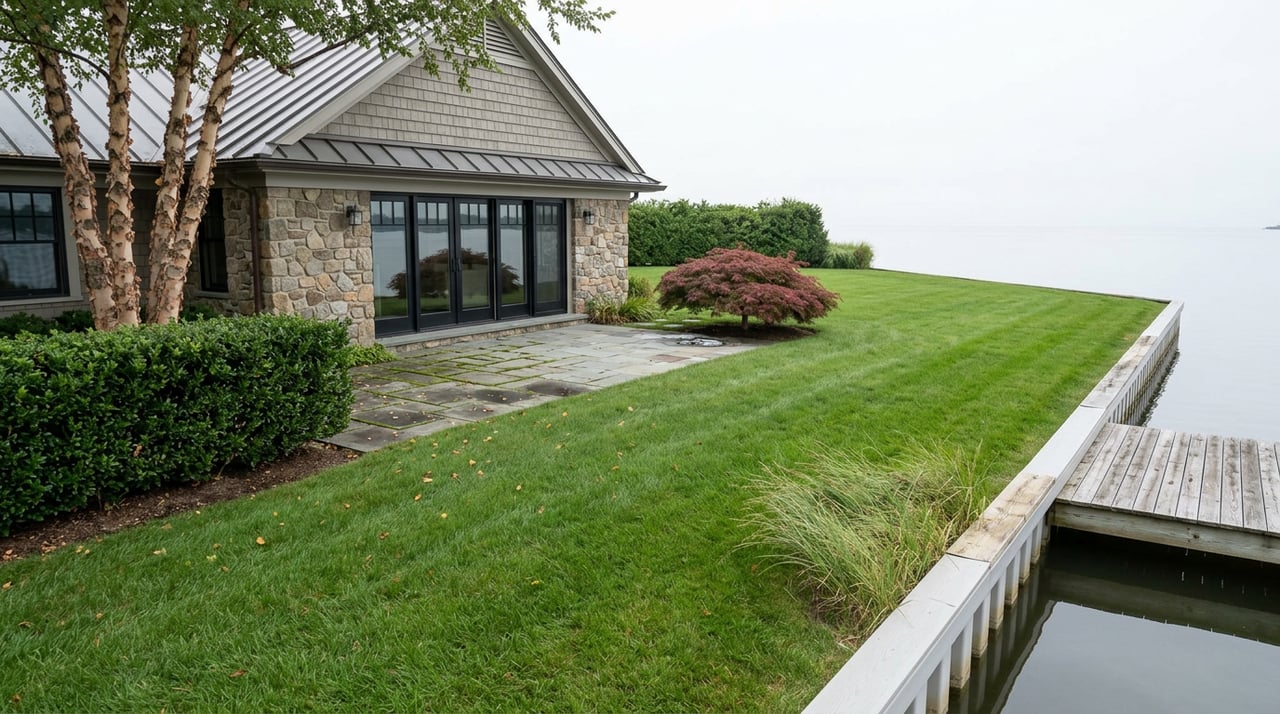
For homes near dunes or municipal plantings, do not move fencing or reconfigure vegetation for photos. Local dune systems are actively managed on the south shore. Learn how the Town of Hempstead protects these areas in this overview of beach habitat management.
Your 4-week spring photo timeline
Week 4: Plan and book
- Choose your listing date and staging budget.
- Discuss boardwalk or beach shots with your agent and confirm if a city permit is needed. Review the Long Beach film and photo application.
- Reserve your photographer and stager; ask about twilight availability.
Week 3: Repairs and landscaping
- Tackle paint touch-ups, hardware swaps, and exterior rinsing.
- Refresh mulch and set container planters with salt-tolerant species.
- If needed, submit permit paperwork for any public-space images.
Week 2: Staging and deep clean
- Install staging, declutter, and complete a full clean.
- Test window clarity and key views during the time of day you will shoot.
- Confirm HOA or condo approvals for any shared-area images.
Week 1: Final prep
- Style final accents: neutral bedding, fresh towels, simple table settings.
- Confirm the shoot schedule, including twilight and any drone work.
- If aerials are planned, verify the pilot’s Part 107 certification and insurance.
Photo day
- Turn on interior and exterior lights 15–20 minutes before any twilight session.
- Clear driveways, pathways, decks, and balconies; secure pets and valuables.
- Keep the city Events Office and your photographer’s contact info handy.
Essential shot list
- Exterior hero image, plus a twilight version if possible
- Aerial overview showing the lot, roof, and proximity to the boardwalk or beach
- Balcony or deck with seating and view
- Living room, kitchen (two angles), primary bedroom, main bath, and secondary bedrooms
- Outdoor lifestyle scenes: dining set, firepit, pool or patio if present
- Detail close-ups of updated systems, finishes, or architectural features
Ready for a seamless photo day?
With smart planning and a few coastal touches, your Long Beach home can shine online before the first showing. If you want a tailored prep plan, trusted staging resources, and premium photography aligned with city rules, connect with Robyn Goldowski for white-glove listing support.
FAQs
Do I need a permit to photograph the Long Beach boardwalk or beach?
- Yes for commercial shoots on City property; use the city’s film/photo application and note that beach and boardwalk filming is prohibited from Memorial Day through Labor Day. Start with the official application.
Can I use a drone to market my Long Beach home?
- Yes, but the pilot should hold an FAA Part 107 certificate, check airspace, and provide insurance; include drone use on any city permit. See the FAA drone operations page.
What plants look best near the ocean for photos?
- Choose salt- and wind-tolerant species suited to seashore conditions; for ideas and care notes, review the Cornell Cooperative Extension seashore plant guide.
How far in advance should staging be finished before photos?
- Complete staging and a deep clean before your photographer arrives, ideally 1–3 days ahead; schedule the shoot close to your live date so photos match curb appeal. A practical checklist is here: photography prep guide.
How do I check my home’s flood zone before listing photos?
- Enter your address at FEMA’s Flood Map Service Center and review any visible mitigation features with your agent so they are presented accurately in photos.