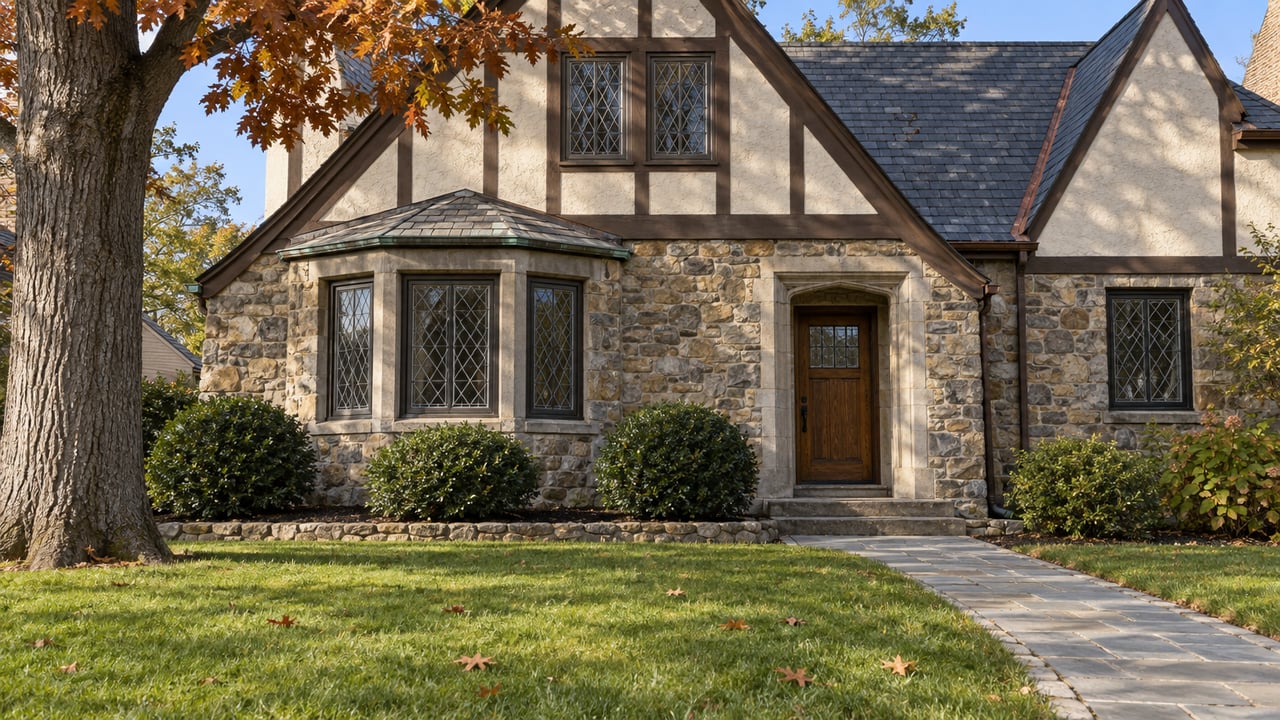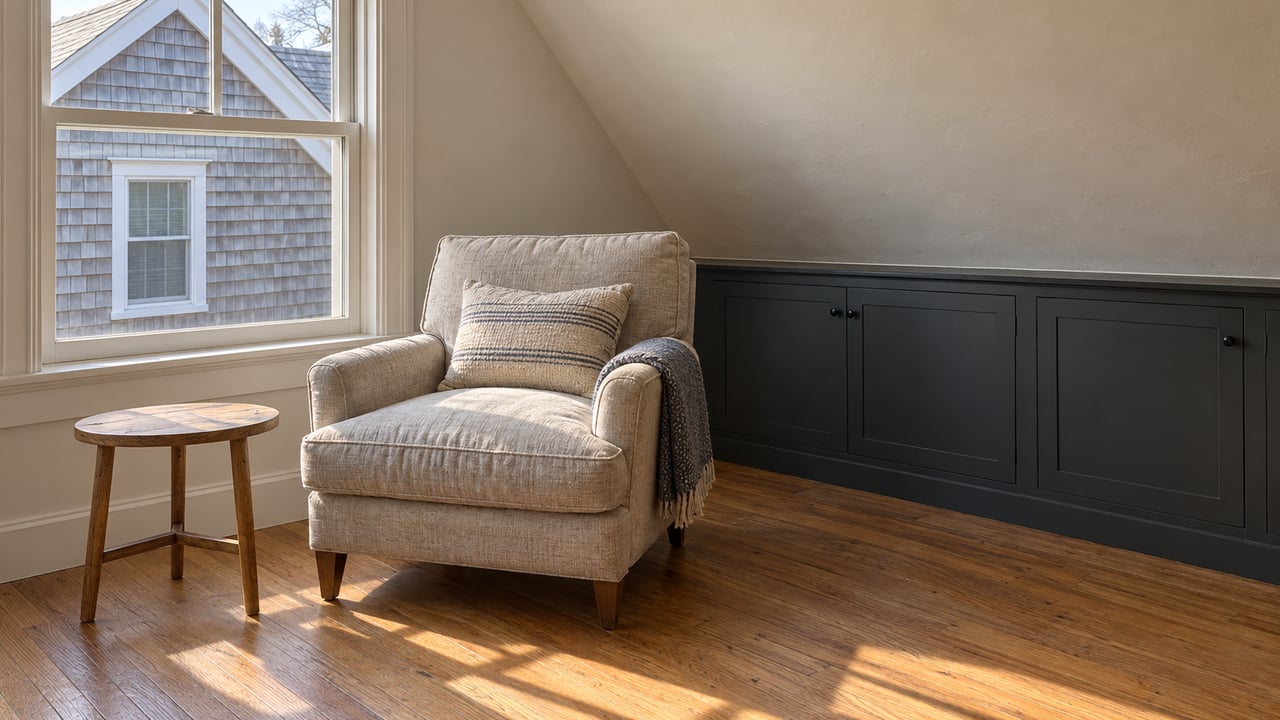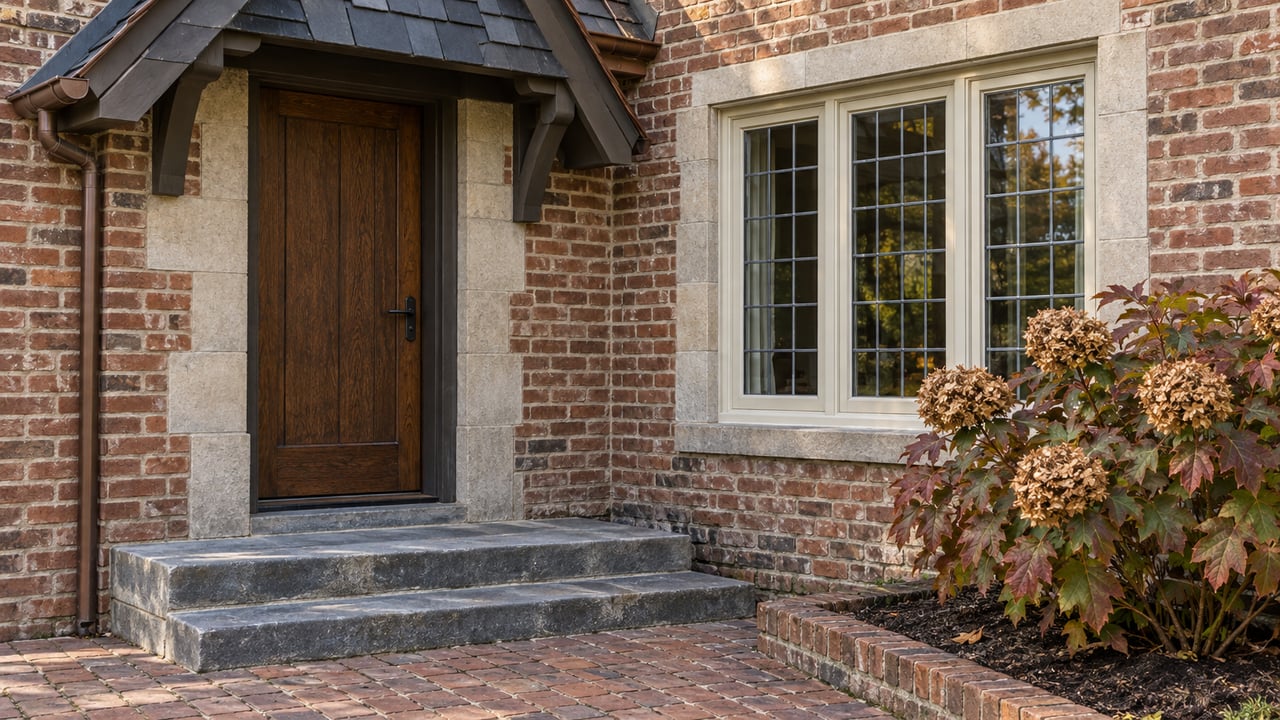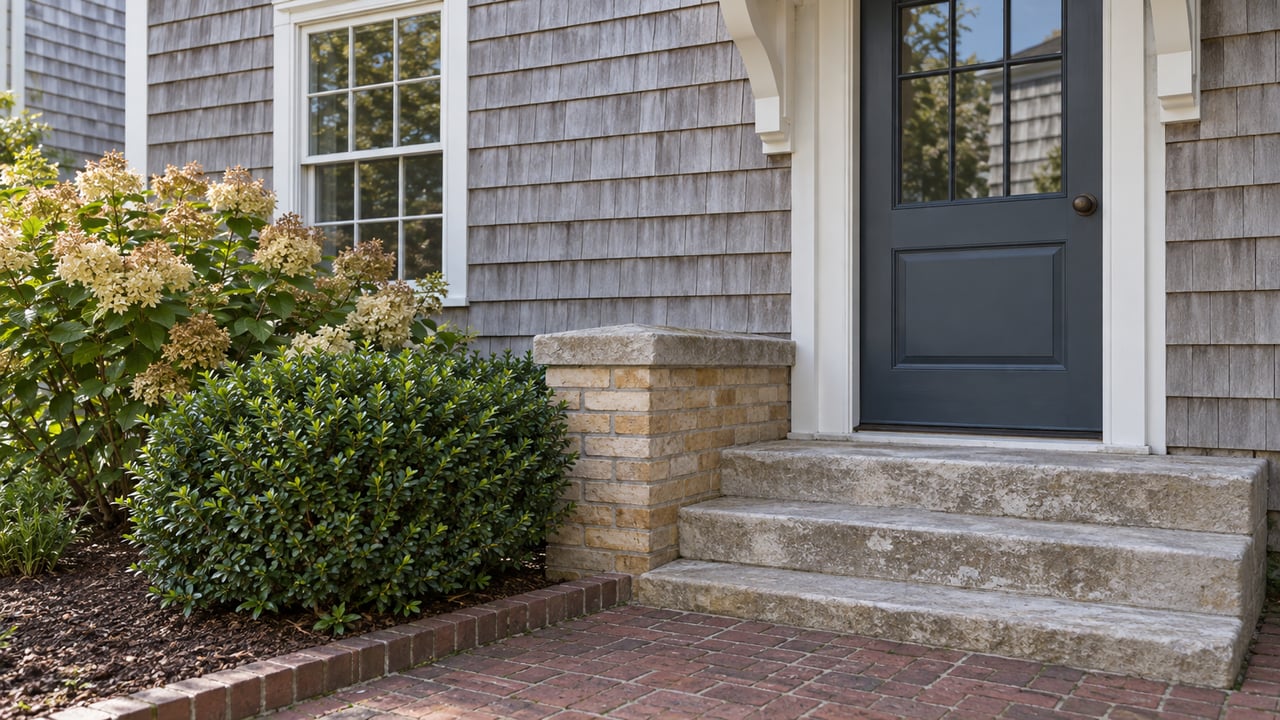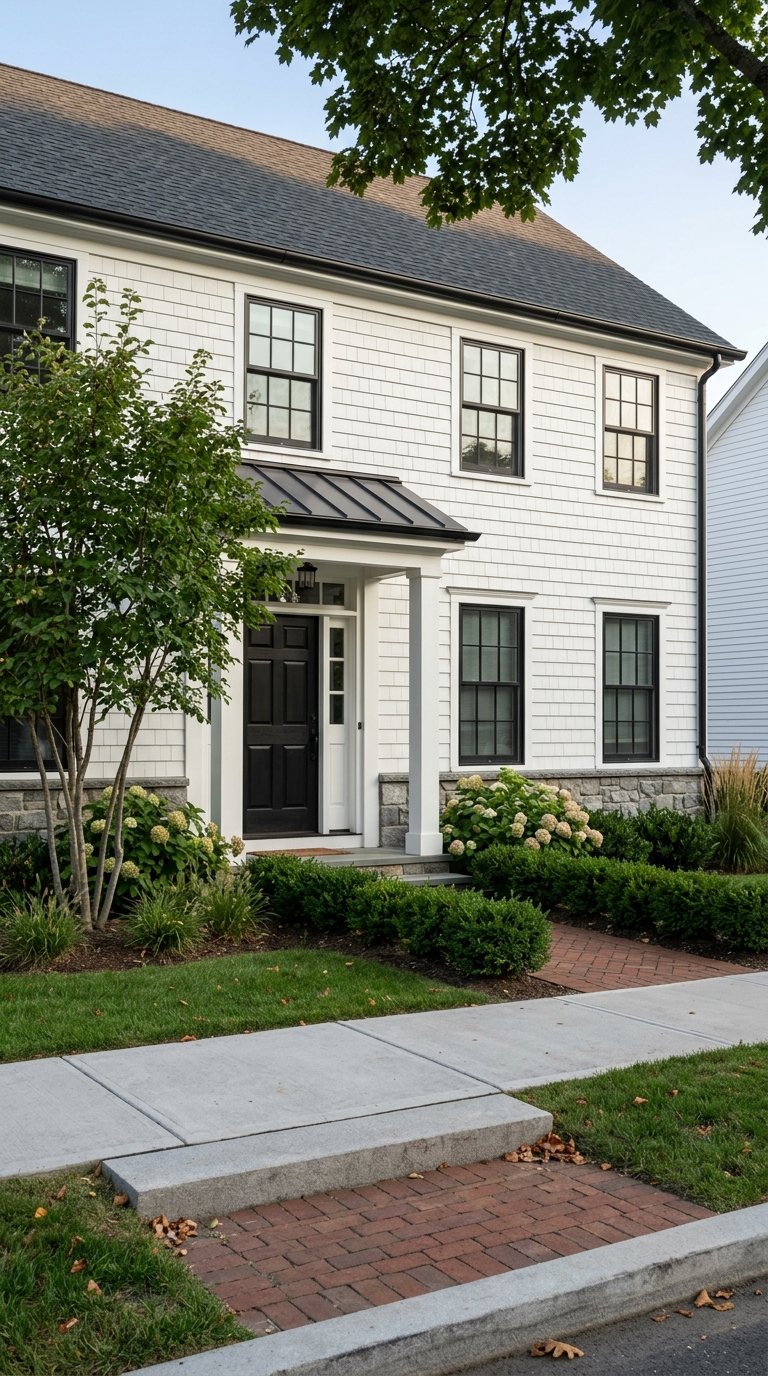
Trying to choose between the East End and West End in Long Beach, NY? You are not alone. These two areas can feel very different once you look past the shared beach-town setting, and that matters if you are buying, selling, or simply narrowing your search. This guide breaks down housing style, walkability, beach access, and price positioning so you can compare each side with more confidence. Let’s dive in.
Long Beach at a glance
Long Beach is a barrier-island city in Nassau County on Long Island’s South Shore. The city describes itself as having about 3.5 miles of beach and roughly a 2.1- to 2.25-mile boardwalk, which helps explain why location inside the city can shape your daily routine in a big way.
The East End and West End are both part of the same coastal market, but they are not interchangeable. City planning documents show that each side has a different layout, housing mix, and convenience pattern, so your best fit often comes down to how you want to live day to day.
East End vs West End boundaries
The city defines the West End as the area from the beach to the bay between New York Avenue and Nevada Avenue. The East End is defined as the area between Monroe and Maple Boulevard south of Park Avenue, and Monroe to Neptune north of Park Avenue.
In practical terms, the East End sits closer to Long Beach’s central civic and transit spine. The city’s 2023 comprehensive plan places the downtown and government center around City Hall, Kennedy Plaza, the LIRR multimodal center, and the main commercial district on Park Avenue.
The West End is farther west and feels more tied to beach blocks and its own neighborhood corridor. The city identifies Beech Street as the West End’s neighborhood-serving commercial strip, while East Park Avenue serves parts of the East End and Canals.
Housing styles feel different
Long Beach is not a one-style housing market. According to the city’s 2023 comprehensive plan, residential land uses make up 48 percent of the city’s total land area, and single-family homes are the most common housing type at 59 percent, followed by two- and three-unit attached homes at 27 percent.
That citywide mix matters because it sets up a more varied search experience than many buyers expect. If you are comparing the East End and West End, the real difference is not just price. It is also block character, density, and what kinds of homes tend to show up in your search.
West End homes
The West End is one of the city’s densest residential areas. City planning documents describe many of its major residential sections as former summer bungalows that were converted into year-round homes.
That gives many blocks a tighter, more compact feel. The city notes very small setbacks and yards, narrow streets, and parking pressure, which are all important quality-of-life details if you want easy car storage or more outdoor space.
There is also a built-form limit worth knowing. The city says the West End E district has a 17-foot height cap, which can make vertical expansions more difficult than some buyers expect.
East End homes
The East End is more mixed and more variable from block to block. City planning documents describe East End South and East End North as mainly single- and two-family neighborhoods, but also note multi-family, two-family, and single-family dwellings along East and West Broadway and near the LIRR station.
You also see newer attached housing in parts of the Broadway area. The city describes some of these homes as three-story attached properties with terraces and balconies, while the highest-density sections include multi-family buildings along Shore Road and the south side of Broadway.
For buyers, that means the East End is best viewed as more than one submarket. If you want variety in housing type, building form, and budget, the East End typically gives you a wider range to explore.
Walkability and daily convenience
Walkability in Long Beach is neighborhood specific, not uniform across the city. That is one reason buyers benefit from comparing East End North, East End South, and the West End separately rather than treating them as one broad beach market.
The city operates bus service, a trolley, and paratransit, and states that all buses are wheelchair accessible. That transit layer can be helpful, but for many buyers the bigger question is what you can reach on foot from your block.
West End convenience
The West End’s biggest day-to-day draw is Beech Street. The city describes it as a local-services corridor with restaurants and bars that attract people from beyond the immediate area.
That helps explain why the West End often feels more food and nightlife oriented. Walk Score snapshots also list about 41 nearby restaurants, bars, and coffee shops in the West End, reinforcing that this area tends to offer strong pedestrian access to casual daily stops.
The tradeoff is parking. City documents specifically note limited parking in this corridor and broader parking pressure in the neighborhood.
East End convenience
The East End has convenience too, but it is less concentrated into one identity. The city says neighborhood-serving retail is located on East Park Avenue in the East End and Canals, and the East End is also closer to the city’s downtown core, where residents can walk to shops, City Hall, and the train.
This is where it helps to break the East End into north and south. Walk Score snapshots rate East End North at 73 out of 100, West End at 67, and East End South at 60.
So, if your top priority is practical walkability, East End North slightly edges out the West End by Walk Score, while East End South is a bit less walkable on paper. In real life, your exact block still matters.
Beach access and overall vibe
Both sides offer access to the coast, but the beach approach is not exactly the same. City planning documents say the experience of Ocean Beach Park differs east and west of the boardwalk.
In the West End, raised dunes at block ends and wooden walks create a more tucked-away entry experience. This tends to support the West End’s reputation as a denser, more beach-embedded enclave.
In the East End, access is more varied. The city notes that east of the boardwalk, access is across dunes, and some beachfront apartment buildings have fee stations at the rear of the buildings.
That difference may sound subtle, but it shapes how each area feels. The West End often reads as more intimate and beach-block oriented, while the East End feels broader and more mixed in its housing and access patterns.
Price positioning in today’s market
If you are comparing value, the biggest mistake is treating the East End as one single price band. Current Realtor.com neighborhood data show a broad spread within this comparison.
The West End has a median listing price of about $1.325 million. East End North sits around $893,500, while East End South is about $536,950.
For context, Realtor.com reports the overall Long Beach market at a median list price of about $799,000, with homes selling for about 2 percent below asking on average in March 2026, and the market described as buyer-balanced at that time.
The takeaway is simple. The West End currently skews higher-priced, while the East End offers a wider budget ladder, especially when you separate North and South.
Which side fits your goals?
The better choice depends on how you rank price, housing style, and your everyday routine. Both areas can work well, but they appeal to different priorities.
Choose the West End if you want
- A denser beach-neighborhood setting
- Compact bungalow and cottage character
- Easy access to Beech Street restaurants and services
- A more tucked-away, block-end beach-entry feel
The main tradeoffs are tighter lots, narrower streets, and more parking pressure. It also tends to sit at a higher current price point than much of the East End.
Choose the East End if you want
- More variety in housing type
- A wider range of current price points
- Access to East Park Avenue retail and the downtown core
- More flexibility to compare different block styles within one broad area
The key here is to avoid overgeneralizing. East End North and East End South can feel and price very differently, so it pays to evaluate them as separate search zones.
What sellers should know
If you are selling in either area, the story of your home should be tied to the strengths buyers actually compare. In the West End, that often means block character, beach proximity, Beech Street access, and the appeal of a tightly knit coastal setting.
In the East End, the strategy may be more nuanced. Buyers often respond to the specific sub-area, the home type, proximity to downtown or East Park Avenue, and whether the property fits a more entry-level, move-up, or coastal-lifestyle budget.
This is where neighborhood-level positioning matters. Buyers do not just shop Long Beach broadly. They compare micro-locations, convenience patterns, and the feel of one block versus another.
If you are thinking about buying or selling in Long Beach, working with an advisor who can translate those block-by-block differences can save time and help you price or search more strategically. To start the conversation, connect with Robyn Goldowski.
FAQs
Which area of Long Beach is more walkable, East End or West End?
- East End North has the highest Walk Score in this comparison at 73, followed by the West End at 67, while East End South is rated 60, so the answer depends on which part of the East End you mean.
Which area of Long Beach has more beach-oriented access?
- The West End has a more tucked-away setup with raised dunes and wooden walks at block ends, while the East End has more varied access across dunes and near some beachfront apartment buildings.
Which area of Long Beach offers more budget flexibility?
- The East End offers a wider current price range because East End North and East End South sit in very different median listing price tiers compared with the higher-priced West End.
Which area of Long Beach has more restaurants and local services nearby?
- The West End is more closely tied to the Beech Street corridor, which the city identifies as a neighborhood commercial strip with restaurants and bars, while the East End relies more on East Park Avenue and access to the downtown core.
Should buyers treat the East End as one neighborhood market?
- No. Current price and walkability data suggest East End North and East End South function as distinct submarkets, so it is smarter to compare them separately during your home search.