A Long Beach condo can sound like the perfect second-home move: beach access, a lively boardwalk, and less day-to-day upkeep than a standalone house. But if you are buying with the idea that it will be easy to finance, simple to insure, or flexible to rent when you are away, it pays to slow down. Before you make an offer, you should understand how condo rules, city regulations, and second-home lending standards can shape the purchase. Let’s dive in.
Why Long Beach appeals to second-home buyers
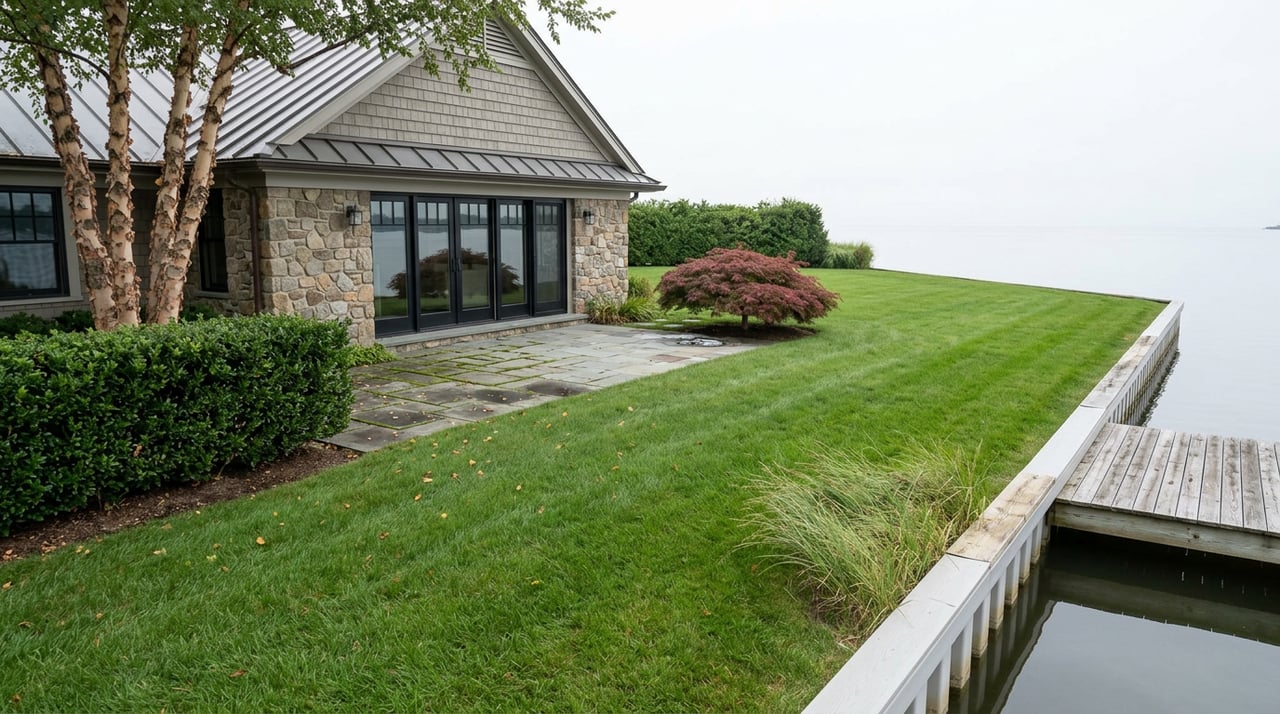
Long Beach offers a lifestyle that is easy to picture using again and again. The city highlights 3.5 miles of beach and a 2.1-mile boardwalk, along with restaurants, shops, events, and year-round beach maintenance. For many buyers, that mix makes a condo feel like a practical way to enjoy the coast without the upkeep that often comes with a detached beach property.
That said, the day-to-day experience is shaped by city rules and public access systems. Beach passes are required for everyone age 13 and older, and the city publishes separate resident and non-resident pricing. If your application address is outside the City of Long Beach, you should expect non-resident rates to apply.
There are also practical details to factor into your routine. The city states that weekend bus rides are free with a valid daily or seasonal beach pass, while parking is available at the LIRR deck and in limited free street spaces. If you plan to use your condo often in peak season, these details can matter more than they seem at first.
Know the lifestyle rules first
A second home should fit how you actually want to spend your time. In Long Beach, beach and boardwalk rules prohibit dogs, alcohol, smoking, glass, bonfires, and barbecues. These are not minor details if your idea of a beach escape includes hosting friends or bringing pets onto the sand.
This is why the right condo is not just about square footage or ocean views. It is also about whether the building, the city, and the surrounding area align with how you plan to use the property. A condo that looks perfect online may feel very different once you understand the local rules that come with the location.
Review condo documents carefully
When you buy a condo in New York, the paperwork matters just as much as the unit itself. The New York State Attorney General advises buyers to read the full offering plan and consult an attorney before signing a purchase agreement. That is especially important for a second-home purchase, where parking, storage, amenity access, and usage rules often influence long-term value.
The Attorney General also makes an important point: the offering plan controls promised features such as recreational facilities, parking, and other amenities. In other words, glossy marketing materials should not be treated as the final word. If something matters to you, confirm it in the official documents.
For an existing condo building, due diligence should go deeper. The Attorney General recommends reviewing board minutes, financial reports, and defect disclosures. That can help you spot issues that may not be obvious during a showing.
Watch for expensive building repairs
Some building problems can turn into major costs for owners. The Attorney General specifically flags facade work, roof repairs, elevator issues, plumbing replacement, and electrical upgrades as common sources of large building-wide expenses. In many cases, those costs can later show up as special assessments.
If you are buying a second home, unexpected assessments can change the economics quickly. A condo that looks manageable on paper may become less attractive if the building is heading into a costly repair cycle. This is one reason a careful review of recent meeting minutes and financials is so important.
Confirm rules in the governing documents
You should also verify day-to-day rules directly in the governing documents. Fannie Mae’s project standards note that lenders review legal documents, budgets, financial statements, reserve studies, engineer reports, insurance documents, and condo questionnaires. Projects can become problematic if they have critical repairs, inadequate insurance, significant litigation, or hotel-style operations.
That same principle applies to your own planning. Pet rules, leasing rules, storage rules, and amenity use should be confirmed in writing rather than assumed from the listing. If a feature is important to you, ask for the exact rule before moving forward.
Understand Long Beach rental limits
Many second-home buyers like the idea of offsetting costs when they are not using the property. In Long Beach, that plan needs extra caution. City materials state that short-term rentals are illegal, and the ordinance defines a transient rental as a use of less than 28 days.
The ordinance also says no dwelling unit may be used or occupied as a transient rental property except legally operating hotels. That means an Airbnb-style strategy may not fit the city’s rules. If rental flexibility is part of your purchase decision, verify both the city restrictions and the condo’s own leasing rules before you make an offer.
How second-home condo financing works
Financing a second-home condo is different from financing a primary residence. For conventional financing, Fannie Mae says a second home must be occupied by the borrower for some portion of the year, must be a one-unit dwelling suitable for year-round occupancy, must be under the borrower’s exclusive control, and cannot be a rental property or timeshare arrangement. Fannie Mae also says rental income from a second home generally cannot be used to qualify.
For buyers, this matters in two ways. First, your intended use has to fit second-home guidelines. Second, the lender is not just evaluating you, but also the condo project itself.
The condo project can affect your mortgage
In established attached condo projects outside Florida, Fannie Mae’s limited-review path allows up to 75% LTV, CLTV, and HCLTV for second homes. But that does not mean every condo will qualify. The project still has to meet condo eligibility rules.
Fannie Mae also says that no more than 15% of units may be 60 or more days past due on each special assessment under that review path. If a building has financial stress, deferred maintenance, or unresolved issues, financing options may tighten. This is one reason buyers should ask early whether the project has any known financing hurdles.
Reserve requirements can surprise buyers
Cash-on-hand requirements can also be higher than expected. Fannie Mae’s DU rules call for 2 months of PITIA for a second-home transaction, with additional reserves required when a borrower owns multiple financed properties. If you already own a primary residence or other property, your reserve requirement may be higher than you first assumed.
This is a good reason to speak with your lender early in the process. You want a realistic picture of down payment, closing costs, post-closing reserves, and any building-related expenses before you commit.
Insurance and flood questions matter
In a coastal market, insurance is not a side issue. Fannie Mae requires master property insurance for condo common elements and residential structures unless the condo documents require individual unit policies. Its flood guidance also requires lenders to verify a master flood policy for attached condo projects when flood insurance is required.
Flood exposure can affect both cost and timing. FEMA says flood insurance is mandatory for most government-backed loans in Special Flood Hazard Areas, and NFIP policies generally have a 30-day waiting period unless coverage is lender-mandated or tied to a map change. For buyers in Long Beach, it makes sense to ask early about flood-zone status, master policy coverage, and any unit-level insurance obligations.
Plan for New York closing costs and taxes
Second-home buyers should budget beyond the purchase price and monthly carrying costs. In New York, closing costs generally include the RP-5217 filing fee, the real estate transfer tax, and the mortgage recording tax. The state also notes that local mortgage taxes can apply in some jurisdictions.
Because Long Beach is in Nassau County, county context matters too. Nassau is part of the Metropolitan Commuter Transportation District, which is relevant to mortgage-recording-tax treatment and related credits. Your lender and attorney should help you estimate the full closing-cost stack early so there are no surprises.
Do not assume primary-home tax benefits
Tax planning should reflect the fact that you are buying a true second home. New York’s STAR credit is tied to a property becoming the owner’s primary residence. In most second-home situations, you should not expect the condo to qualify unless your ownership and occupancy facts change later.
It is also smart to get a property tax estimate from the local assessor and review the assessment after closing. That gives you a clearer picture of ongoing ownership costs, especially if you are comparing a Long Beach condo with other coastal options on Long Island.
A smart second-home strategy in Long Beach
For many buyers, a Long Beach condo works best when the goal is simple: easy beach access, walkability, and lower-maintenance coastal living. It tends to be a stronger fit for personal use than for buyers who want broad rental flexibility. The details that matter most are often the ones you cannot see in a listing photo, including governing documents, building finances, insurance, flood exposure, and city rental restrictions.
If you are considering a second-home condo in Long Beach, a careful, local, detail-first approach can help you avoid expensive surprises. Working through the building rules, financing standards, and ownership costs before you buy can put you in a much stronger position to choose a property that fits both your lifestyle and your budget.
If you are weighing whether a Long Beach condo makes sense for your second-home plans, Robyn Goldowski can help you evaluate the property, the building, and the local factors that deserve a closer look.
FAQs
What should you review before buying a Long Beach condo as a second home?
- You should review the offering plan, board minutes, financial reports, defect disclosures, insurance documents, and the condo’s governing rules on parking, pets, leasing, storage, and amenities.
Can you use short-term rentals for a second-home condo in Long Beach?
- City materials state that short-term rentals are illegal, and the ordinance defines a transient rental as a use of less than 28 days, except for legally operating hotels.
How does second-home financing work for a Long Beach condo?
- For conventional financing, the property generally must be suitable for year-round occupancy, under your exclusive control, occupied by you for part of the year, and not treated as a rental property or timeshare.
What condo project issues can affect financing in Long Beach?
- Lenders may review project budgets, insurance, litigation, repair conditions, delinquency levels, and other project documents, and these issues can affect whether the condo qualifies for financing.
Do Long Beach second-home condo buyers need to think about flood insurance?
- Yes. In attached condo projects where flood insurance is required, lenders must verify a master flood policy, and flood-zone status can affect both cost and timing.
Should you expect STAR tax benefits on a Long Beach second home?
- Generally no, because New York’s STAR credit is tied to a property becoming your primary residence rather than a second home.