Trying to decide between an open-bay waterfront and a canal home in Merrick? You are not alone. Both offer access to the South Shore lifestyle, but the costs, risks, and day-to-day experience are different. In this guide, you will get a clear, local look at pricing, insurance, maintenance, permitting, boating access, and a practical checklist to help you move forward with confidence. Let’s dive in.
Waterfront vs canal: Merrick definitions
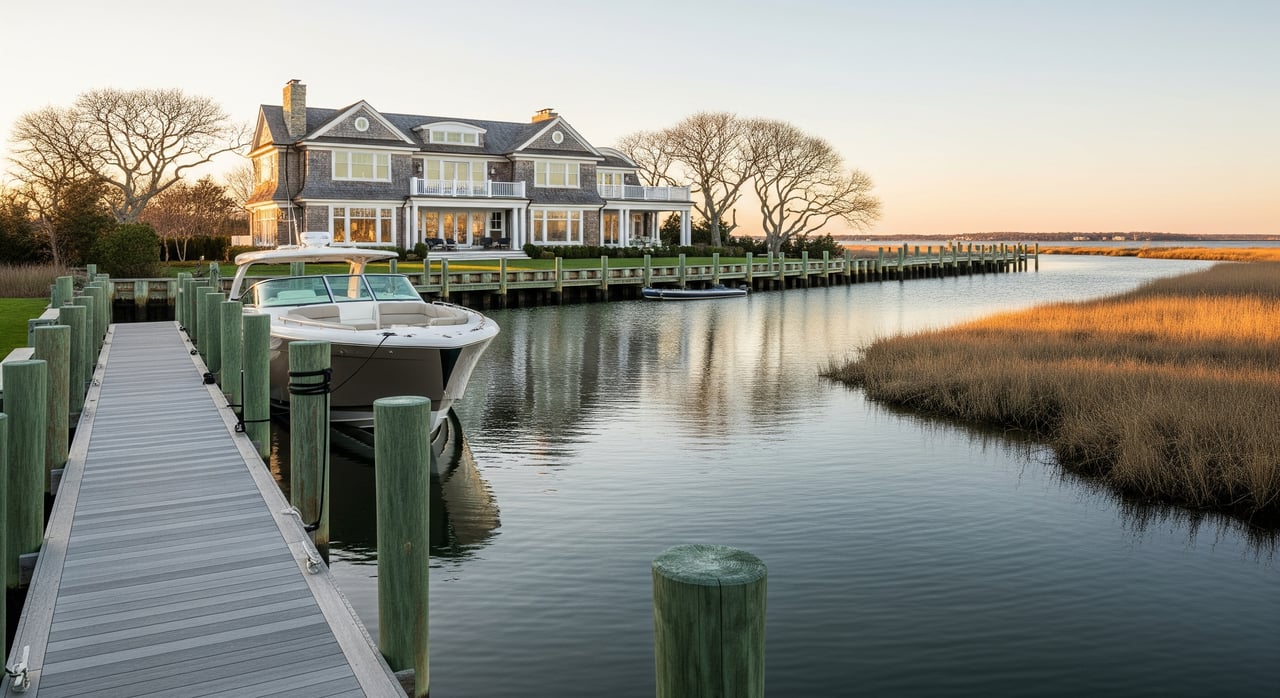
In Merrick (ZIP 11566), “waterfront” typically refers to homes with open-bay or wide-creek frontage that face the inland bays. These lots offer broad sightlines and more direct access to deep water. “Canal” homes sit on narrower, often man-made or dredged channels that feed into the bay. Canal properties are usually more sheltered, with calmer water and closer neighbor proximity.
Both are part of Merrick’s South Shore fabric. You will see older subdivisions with narrow canals and larger lots fronting wider creeks or the bay. Most permitting and assessments run through the Town of Hempstead, with Nassau County assessments also in play.
What drives total cost
Purchase price
- Open-bay waterfronts often command higher prices per square foot for similar house quality. The premium is tied to view, direct open-water access, and water depth.
- Canal homes are usually priced below open-bay for comparable houses, but value rises when canals are deeper, docks are upgraded, and the home is renovated.
Insurance: flood and wind
- Both property types carry elevated flood risk compared with inland homes. Open-bay exposure can mean higher flood and sometimes wind premiums due to surge and wave action.
- Canal properties are more sheltered but can still face tidal inundation and backflow. Get quotes early from NFIP and private carriers using the address and any elevation data you have. You can look up flood zones by address through the FEMA Flood Map Service Center.
Maintenance and capital projects
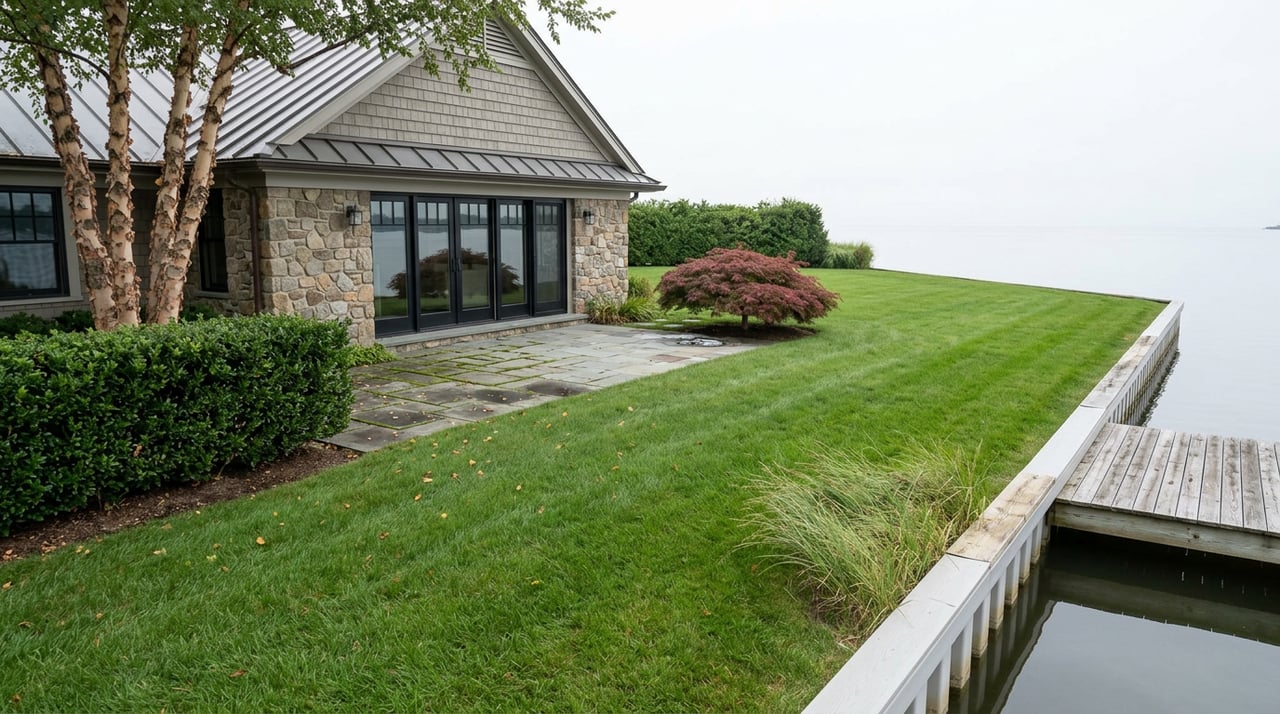
- Bulkheads and seawalls: Every bulkheaded property will need maintenance or replacement over time. Major work can run into tens of thousands of dollars, depending on length, material, and contractor rates. Bulkhead condition affects value and insurability.
- Docks and dredging: Open-bay properties may need sturdier, deeper docks that face more wave action. Canal homes can experience siltation and may need periodic dredging, which requires permits and can be costly. In some areas, municipal dredging programs may help, so check schedules and responsibilities.
- Shoreline care: Erosion control, riparian upkeep, and yard maintenance near saltwater add to ongoing costs.
Property taxes and assessments
- Nassau County property taxes are relatively high compared with many regions. Waterfront status can increase assessed value. There can also be special local assessments for drainage or harbor projects. Review county and town records during due diligence.
Financing requirements
- Lenders often apply stricter underwriting for homes in high-risk flood zones and may require higher reserves and flood insurance. Some loan products have limits for properties in VE (coastal high-hazard) zones. Confirm your lender’s policy before you shop.
Ongoing operating costs
- Expect line items for dock winterizing, utilities, landscaping, pest control near water, and boat storage. Sewer versus septic can vary by location. These recurring costs tend to be higher than for inland properties.
Risks and resilience to plan for
Flood zones and elevation
Start by finding the property’s FEMA flood zone (AE, VE, A, X). High-risk zones often require flood insurance for federally backed loans. Use the FEMA Flood Map Service Center to confirm a property’s zone and to guide insurance conversations. An elevation certificate helps you get accurate quotes.
Sea-level rise and storm surge
Long Island’s South Shore faces rising seas and more frequent coastal flooding over time. Lower elevations on the open bay and some canals can see more frequent tidal flooding. For context and planning, review projections on NOAA’s Sea Level Rise Viewer.
Erosion and shoreline stability
Erosion can vary block to block. Bulkhead replacements and shoreline stabilization often require permits and must meet environmental standards. Budget time and money for both professional assessments and compliance.
Environmental rules and permits
Any work seaward of mean high water, including new docks, bulkhead repairs, or dredging, typically requires approvals from multiple authorities. Start with New York State’s program for tidal wetlands and coastal permits through the NYSDEC, and be prepared for review by the U.S. Army Corps of Engineers regulatory program. Locally, you will also work with the Town of Hempstead on building and coastal site-plan reviews.
Insurance market shifts
Flood and wind insurance pricing and availability can change with national reinsurance cycles and policy updates. Private-market flood coverage can be an alternative to NFIP. Compare coverage, exclusions, and claims handling with a coastal-experienced broker.
Boating access, permits, and lifestyle
Depth, draft, and time to open water
- Open-bay frontage usually supports larger-draft boats and shorter runs to open water.
- Canals can limit boat length and draft depending on depth and tidal range. Check mean low tide depths, bridge clearances, and channel maintenance. For local tide information, use NOAA’s Tides & Currents.
Dock type and approvals
- Fixed versus floating docks can be dictated by local rules and exposure. Floating docks adapt to tides, while fixed pile docks may be required in some areas. Both can require permits from the Town, NYSDEC, and Army Corps.
- Some lots are better suited to a mooring than a private dock. Each option has different maintenance and regulatory steps.
Privacy, wind, and activity
- Open-bay homes have wide views and breezes but more wind, wakes, and boat traffic.
- Canal homes are calmer and often feel more private, though sightlines are tighter and neighbors are closer.
Seasonal conditions and navigation
- Low tides can restrict movement in some canals. In colder winters, ice can impact docks and lifts. Ask about recent maintenance cycles and any known navigation constraints.
Resale and buyer pool
- Open-bay properties attract buyers who prioritize views and larger boating. The buyer pool can be more specialized. Canal homes appeal to those seeking usable waterfront with more shelter and a lower price point. In both cases, elevation, bulkhead condition, and dockage are central to value.
Due diligence checklist for 11566 buyers and sellers
Before you make an offer or list
- Get a recent survey and confirm lot boundaries and riparian rights, including dock and bulkhead ownership.
- Confirm the FEMA flood zone and obtain an elevation certificate if available. Use the zone and elevation for flood-insurance quotes.
- Request a bulkhead and dock condition report with dates of repairs or replacements. Obtain contractor estimates for any recommended work.
- Collect flood and wind insurance quotes from NFIP and private carriers.
- Verify sewer versus septic and check for any special assessments or districts.
- Review town and county records for permits, open violations, easements, and recorded drainage or access rights.
- Ask for a history of flood events and insurance claims where available.
- Request harbor or canal maintenance and dredging schedules from the municipality.
Technical inspections and engineering
- Full home inspection covering foundation, framing, mechanicals, and any signs of prior water intrusion.
- Marine contractor inspection of bulkhead and docking. Get written estimates with timelines.
- Surveyor or engineer review if elevation, encroachments, or slope stability are concerns.
- Environmental review for wetlands constraints, water-quality advisories, or site history.
Financing and insurance readiness
- Confirm your lender’s coastal policies, including reserves, flood-coverage minimums, and escrow requirements.
- For VA, FHA, or Conventional loans, verify any additional conditions for VE or AE zones.
Seller preparation
- Order an elevation certificate and a bulkhead inspection before listing to reduce buyer uncertainty.
- Complete targeted repairs that improve insurability and buyer confidence.
- Prepare full disclosures on flooding, insurance history, and maintenance for bulkhead and dock.
- Highlight key features in your marketing: boat draft and access, lot width and depth, bulkhead material and last replacement date, and any municipal dredging participation.
Which one fits your lifestyle and risk tolerance?
If you prize sweeping views and quick access to deep water, an open-bay property may be worth the premium and higher exposure. If you prefer calmer water, a potentially lower purchase price, and a more sheltered setting, a canal home could be the right fit. Your decision comes down to three drivers: desired boat size and access, your comfort with exposure and maintenance, and your long-term view on flood risk and insurance.
Choosing along Merrick’s waterfront is a personal balance of cost, risk, and everyday enjoyment. When you compare homes, weigh elevation and flood zone, bulkhead and dock condition, insurance quotes, and the practicalities of permits and upkeep. If you want a sounding board as you compare options, connect with Robyn Goldowski for local guidance tailored to your goals.
FAQs
What is the difference between Merrick waterfront and canal homes?
- Waterfront homes face the open bay or wide creeks with broad views and direct access to deeper water, while canal homes sit on narrower channels that connect to the bay and offer more sheltered conditions.
How do flood insurance costs compare between open-bay and canal homes?
- Costs are property specific, but open-bay exposure can lead to higher premiums due to surge and wave action. Always verify the FEMA flood zone and get quotes from NFIP and private carriers using the property’s elevation data.
What permits are needed to rebuild a dock or bulkhead in Merrick?
- Work seaward of mean high water typically requires Town of Hempstead approvals, NYSDEC tidal wetlands permits, and possibly U.S. Army Corps authorization, with timelines that can run from weeks to months.
How can I check if my boat will fit at a canal home in 11566?
- Confirm usable depth at mean low tide, channel maintenance status, and any bridge or fixed-clearance constraints. NOAA’s Tides & Currents can help you understand local tidal ranges.
How long do bulkheads last and what do replacements cost?
- Lifespan and cost vary by material and exposure. Plan for inspections by a licensed marine contractor and expect that major repairs or replacements can reach tens of thousands of dollars, depending on length and site conditions.