Imagine stepping out your door to salt air, sunrise color, and a steady stream of walkers and joggers. If you love the ocean and an active, outdoor routine, living on the Long Beach boardwalk can feel like a dream. If you prefer quiet streets and extra privacy, it can feel busy in peak months. In this guide, you’ll learn what day-to-day life is really like, how seasons change the rhythm, what costs and rules to plan for, and how to decide if boardwalk living fits your lifestyle. Let’s dive in.
Oceanfront lifestyle, every day
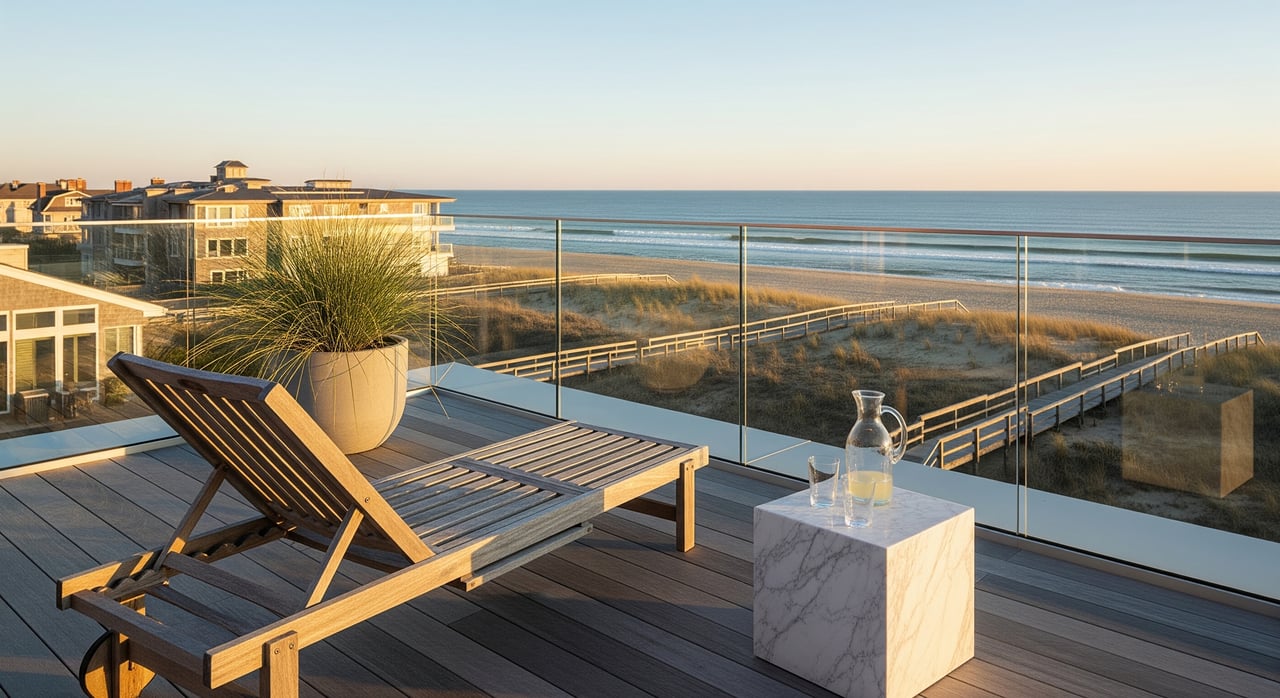
Long Beach’s boardwalk stretches roughly two miles along the oceanfront and functions as the city’s social spine. You get daily access to beach views, sea breezes, and a built-in place to move your body. It connects the shoreline to shops, cafés, and transit, so your errands can include a seaside walk. For many residents, this blend of recreation and convenience is the main draw.
Daily rhythms on the boardwalk
Mornings
You’ll find early risers walking dogs, jogging, and watching the sunrise. It’s a peaceful time with locals getting exercise before work or school. Regulations for pets can vary by season, so plan to check current city rules.
Daytime
From late spring through early fall, the beach fills with swimmers and sunbathers, and lifeguards are typically on duty during the beach season. Concessions and rentals tend to pop up in the busier months. Weekdays feel calmer than weekends, but summer days are still lively.
Evenings
Sunset brings a final wave of walkers and families out to enjoy the light. Nearby restaurants and bars draw crowds, especially Thursday through Sunday in peak months. On some nights, you may catch community events or charity walks.
Nights
Outside of peak season, nights are mostly quiet. Summer weekends can stay active later due to nightlife and special events. If you prefer stillness year-round, consider a unit set back from the boardwalk or on a higher floor for more distance from foot traffic.
Seasons change the experience
- Peak season late May through early September brings the most foot traffic, events, and beach activity. Expect busier weekends, more noise, and higher demand for parking and services.
- Spring and fall are comfortable shoulder seasons with fewer crowds. These months are popular with runners and dog walkers and feel more local.
- Winter turns serene. Ocean views shine, but beach amenities are limited or removed. Nor’easters and winter storms can occasionally close sections of the waterfront or affect access.
Activities that define your week
- Recreation: walking, running, and cycling near the boardwalk are part of daily life. Bike and boardwalk rules vary, so confirm local ordinances before riding.
- On the water: surfing and paddleboarding are part of the culture, with fishing at permitted locations.
- Community: expect seasonal concerts, charity walks, surf or sand competitions, and holiday fireworks or parades. Calendars change year to year, so you’ll want to check the city’s schedule when planning.
- Everyday errands: it’s common to layer a coffee stop or quick shop visit into your boardwalk routine.
Housing options and market notes
Homes near the boardwalk come in a range of styles and buildings. What they share is proximity to the ocean and a lifestyle premium.
- Oceanfront single-family homes and cottages include older stock, renovations, and custom builds.
- Oceanfront condos and co-ops include mid and high-rise buildings with units facing the sea.
- Smaller multifamily and rentals sit within a few blocks of the boardwalk and offer more varied price points.
Direct oceanfront exposure typically commands higher prices and competition. These properties also carry greater sensitivity to storm risk and insurance costs. A local real estate professional can help you evaluate current pricing and demand in specific buildings and blocks.
Noise, privacy, and crowd tolerance
Expect more activity in summer, particularly on weekends and holidays. You may hear music from seasonal programming, occasional fireworks, and nearby nightlife. Privacy is reduced for units that face the boardwalk, especially on lower floors and ground-level homes. If you value quiet, look for homes set back from the busiest stretches, or prioritize higher-floor units with sound-dampening features.
Parking and transit access
Summer weekends bring heavier traffic and competition for parking. Long Beach uses resident parking controls and municipal lots or meters, and details can change over time, so it’s smart to review current permit and guest policies before you buy. The city is also the terminal of the Long Island Rail Road’s Long Beach Branch, with direct service to and from New York City. Schedules and ride times vary by service pattern, so commuters should consult official timetables.
Coastal costs and maintenance
Living by the ocean is rewarding, but the environment increases wear on your home and systems.
- Salt air: expect faster corrosion on exterior metals, railings, and mechanicals. Budget for more frequent maintenance and replacement of exterior finishes and HVAC components compared with inland homes.
- Flood insurance: many boardwalk-adjacent properties lie in FEMA high-risk flood zones. Your lender may require flood coverage, and premiums can be significant. Ask for prior flood claims and an Elevation Certificate if available, and obtain quotes early in due diligence.
- Property taxes and HOA fees: Nassau County property taxes are a major holding cost, and condo or co-op fees may include maintenance for ocean-adjacent amenities. Request a full fee breakdown and capital reserve details.
Rules, pets, and beach seasons
Local rules shift with the beach season. Lifeguard coverage commonly aligns with Memorial Day through Labor Day. During peak months, many municipalities restrict dogs, bicycles, and alcohol on beaches, and boardwalk rules can differ. Always verify current City of Long Beach regulations and posted hours for swimming and boardwalk use, and review any fines or enforcement details.
Safety, storms, and resilience
Hurricane Sandy in October 2012 is a defining part of Long Beach’s recent history. The storm caused extensive damage to the boardwalk and surrounding neighborhoods and shaped today’s building standards, insurance landscape, and planning priorities. The city has invested in repairs and coastal resilience projects such as dune and structural work. When evaluating homes, ask about elevation, flood-zone designation, and any post-storm repairs or mitigation, including foundation and mechanical upgrades. Also review local evacuation zones, routes, and utility hardening plans so you understand your preparedness options.
Is boardwalk living a fit?
Use this quick checklist to decide if the lifestyle aligns with your goals:
- Do you crave daily ocean access and accept higher foot traffic at your doorstep?
- Can you tolerate summer noise and weekend crowds in exchange for views and convenience?
- Are you prepared for higher exterior maintenance and potentially higher insurance costs due to coastal exposure?
- Do you need reliable transit year-round or depend on a car, and if so, can you secure resident and guest parking solutions?
- Are you comfortable with evacuation planning and short-term storm-related disruptions when they occur?
- Do you prefer a private yard or are you happy to trade some privacy for easy access to public amenities and the beach?
How a local advisor helps
Choosing a home near the Long Beach boardwalk is about fit as much as it is about price. You’ll want guidance on building condition, flood and insurance factors, HOA budgets, parking options, and seasonal dynamics on specific blocks. You should also compare oceanfront units with homes set a few streets inland to balance views, privacy, and cost.
If you’re weighing your options, you don’t have to do it alone. With neighborhood-first insight across Long Island’s South Shore and a calm, concierge approach, Robyn Goldowski helps you evaluate trade-offs, line up insurance quotes, and find the home that matches your lifestyle. When you’re ready, reach out to map your search or request a private consultation.
FAQs
How busy is the Long Beach boardwalk year-round, and what does that mean for privacy?
- Peak season brings heavy foot traffic and higher noise on weekends, while spring, fall, and winter are calmer; oceanfront units facing the boardwalk have less privacy, especially on lower floors.
What commute options to New York City exist if I live near the boardwalk?
- The Long Island Rail Road’s Long Beach Branch offers direct service to and from NYC, with schedules and ride times that vary by service pattern, so review official timetables for specifics.
How do seasonal crowds and events affect weekday versus weekend life on the boardwalk?
- Summer weekends and holidays are the busiest due to beachgoers, nightlife, and programmed events, while weekdays and shoulder seasons feel more local and relaxed.
What flood, storm, and insurance issues should I expect when buying by the boardwalk?
- Many nearby properties lie in FEMA high-risk flood zones, so expect to review elevation, prior flood claims, and mitigation work and to obtain flood insurance quotes early in your process.
What types of homes are available immediately adjacent to the boardwalk?
- You’ll find oceanfront single-family homes, ocean-facing condos and co-ops, and smaller multifamily or rental buildings within a few blocks of the promenade.
What long-term costs are unique to oceanfront living in Long Beach?
- Salt air accelerates wear on exteriors and mechanicals, flood insurance may be required, and property taxes and HOA fees can be significant, so plan a thorough budget review.
Are pets allowed on the Long Beach boardwalk or beach, and when?
- Pet rules vary by season and location, with more restrictions common during peak beach months, so confirm current City of Long Beach regulations before you go.
What city services affect daily life near the boardwalk?
- The city manages seasonal beach operations, lifeguard coverage during beach season, and maintenance of public spaces, with schedules and procedures that can change over time.