Selling in Merrick and wondering what to fix before you list? You are not alone. In 11566, buyers look for clean, safe, move-in ready homes, and small issues can lead to big negotiations later. This guide shows you which pre-listing repairs matter most on the South Shore, how to prioritize them, and how to plan your timeline and budget with confidence. Let’s dive in.
What Merrick buyers expect
Merrick is a coastal, suburban market where buyers value homes that feel well cared for and move-in ready. They pay close attention to roof condition, HVAC performance, water intrusion history, and general curb appeal. Because of the area’s proximity to the bay and Atlantic, buyers often consider flood risk, basement moisture, and any shoreline or bulkhead condition if relevant. Many homes were built mid-century, so older electrical panels, oil systems, galvanized plumbing, and original windows are common topics during inspections.
Start with safety and major defects
Roof, gutters, and drainage
Fix any active roof leaks and replace severely aged materials that will raise inspection flags. Repair missing shingles, and ensure gutters and downspouts push water away from the foundation. Visible roof wear or poor drainage can trigger repair requests and price reductions.
Foundation, dampness, and mold
Address foundation cracks, uneven floors, or active water intrusion with a professional assessment. If you see signs of mold, remediate the source first, then clean and confirm clearance when needed. A dry basement and properly vented attic go a long way with buyers and lenders.
Heating, cooling, electrical, and plumbing
Service your heating system and central AC so both run smoothly during showings. Repair or replace a failing water heater and fix leaks or slow drains. Correct unsafe wiring, replace missing outlet or panel covers, and consult an electrician if your home has older or flagged panels such as Federal Pacific or Zinsco. If your property uses oil, address any known or suspected underground tanks with licensed environmental professionals.
Safety and environmental essentials
Install and test smoke and carbon monoxide detectors to meet New York requirements. For homes built before 1978, provide proper lead-based paint disclosures along with any records you have. Termite or pest issues should be evaluated and treated, with damaged wood repaired. Consider radon testing; if levels are elevated, remediation improves marketability.
Waterfront and bulkheads
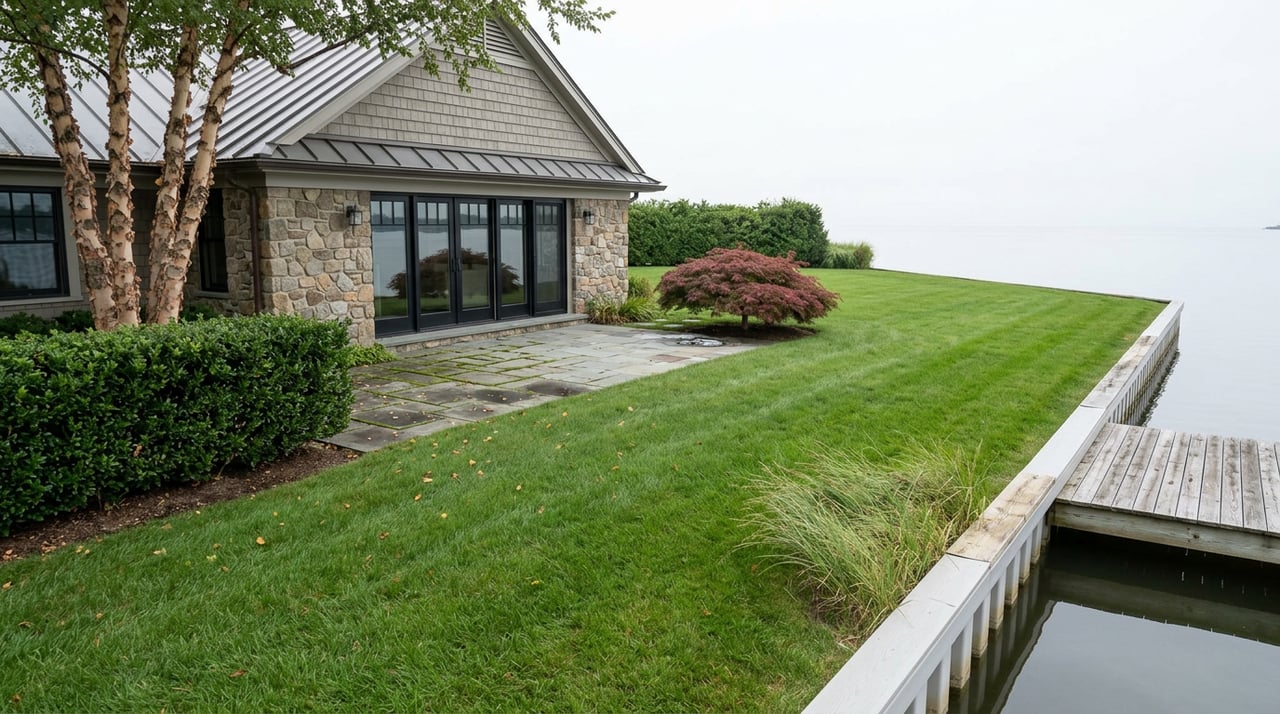
If your property has shoreline or a bulkhead, disclose its condition and repair visible deterioration when feasible. Buyers with waterfront interests closely evaluate erosion and structural integrity.
Smart cosmetic updates that sell
Fresh paint and flooring
Neutral interior paint, deep cleaning, and fixing damaged floors deliver strong visual impact at a reasonable cost. Focus on high-traffic areas and rooms that show in photos first.
Kitchens and baths, light touch
You do not need a full remodel to impress buyers. Swap dated hardware, refresh faucets, recaulk and clean grout, and consider simple lighting updates. These small moves can make older spaces feel brighter and more current.
Lighting and staging
Replace broken or dated fixtures and ensure every room is well lit. Declutter and stage living areas, kitchens, and the primary suite so buyers can visualize daily life in the home.
Prioritize for best ROI
- Safety and health items: mold, active leaks, unsafe wiring, and environmental hazards.
- Major systems for financing and comfort: roof condition, HVAC, and water heater.
- Structural and moisture: foundation and drainage fixes.
- Exterior maintenance and curb appeal: paint touch-ups, landscaping, and trim repair.
- Cosmetics and staging: interior paint, minor kitchen and bath updates, and lighting.
Focus on issues buyers and lenders will flag first. Then invest in visible upgrades that photograph well and support a strong first impression.
Timeline and planning in Nassau County
- Small repairs and cosmetics typically take 1 to 3 weeks. Think painting, minor carpentry, and yard cleanup.
- Mechanical servicing and mid-level work often need 2 to 6 weeks. This includes roof repairs, HVAC replacement, and plumbing projects.
- Major structural or environmental items can run 4 to 12 or more weeks. Foundation repairs, oil tank removal and remediation, and bulkhead work vary based on scope and permits.
Build in extra time for permitting and contractor scheduling. Get multiple bids early so you can confirm availability and avoid delays.
Permits, disclosures, and documents you need
Many structural, electrical, plumbing, HVAC, and exterior projects require permits through Nassau County or your local village or town department. Work with licensed contractors and save copies of permits, final inspections, and warranties to share with buyers. Disclose known material defects, any lead-based paint information for pre-1978 homes, and known environmental conditions such as underground oil tanks or prior spills. If your property lies in a flood zone, be ready to discuss flood insurance and elevation details.
Fix, credit, or sell as-is?
- Fix before listing: Best for safety, financing, and highly visible issues that could jeopardize a deal or invite large credits.
- Sell as-is: A viable option if you prefer not to take on repairs, but expect buyers to discount for condition after inspections.
- Offer a closing credit: This can be simpler than managing work, though some buyers prefer completed repairs.
- Get a pre-list inspection: You will identify high-impact items, align pricing, and reduce surprises that can stall a contract.
Quick pre-list checklist for 11566 sellers
- Order a pre-list home inspection if possible.
- Address safety hazards first, including electrical and CO risks.
- Repair active roof leaks and stop water intrusion.
- Service HVAC and the water heater; keep receipts.
- Confirm working smoke and CO detectors and replace batteries.
- Fix or replace windows and doors that impact safety or security.
- Repair gutters and improve grading to move water away from the home.
- Complete paint touch-ups, flooring fixes, hardware swaps, and fresh caulk and grout.
- Get termite or pest clearance or address active issues.
- Assemble permits, warranties, and contractor invoices.
- Stage key rooms and schedule professional photos after repairs.
How we help Merrick sellers
You deserve a curated selling experience tailored to Long Island’s South Shore. You get a clear plan that puts safety and major systems first, then high-impact cosmetic work that makes your listing shine. You also get help coordinating inspections, meeting local permitting needs, and organizing documents that build buyer confidence.
If you are considering a sale in Merrick, Bellmore, Wantagh, Seaford, Massapequa, or nearby communities, a trusted local advisor can streamline every step and position your home for a stronger result. For guidance, strategy, and premium marketing, connect with Robyn Goldowski.
FAQs
Which pre-listing repairs add the most value in Merrick?
- Address safety and moisture issues first, then focus on roof, HVAC, and curb appeal, followed by paint, lighting, and minor kitchen and bath updates.
Do I need permits for repairs before selling in Nassau County?
- Many structural, electrical, plumbing, HVAC, and major exterior projects require permits; use licensed contractors and keep final approvals and warranties.
How do flood zones affect pre-listing decisions in 11566?
- Buyers often weigh flood risk, so address basement moisture, disclose flood information, and maintain drainage, sump pumps, and shoreline structures when applicable.
Should I remove an underground oil tank before listing?
- Not always, but known or suspected tanks can block financing; consult licensed environmental pros to test and remediate as needed.
Is a pre-listing home inspection worth it for Merrick sellers?
- Yes, it can reveal deal-stopping items early, guide pricing and repairs, and reduce surprise credits or delays during buyer inspections.
How long do common pre-listing repairs take in Nassau County?
- Small cosmetic fixes often take 1–3 weeks, mid-level mechanical work 2–6 weeks, and major structural or environmental projects 4–12 or more weeks.