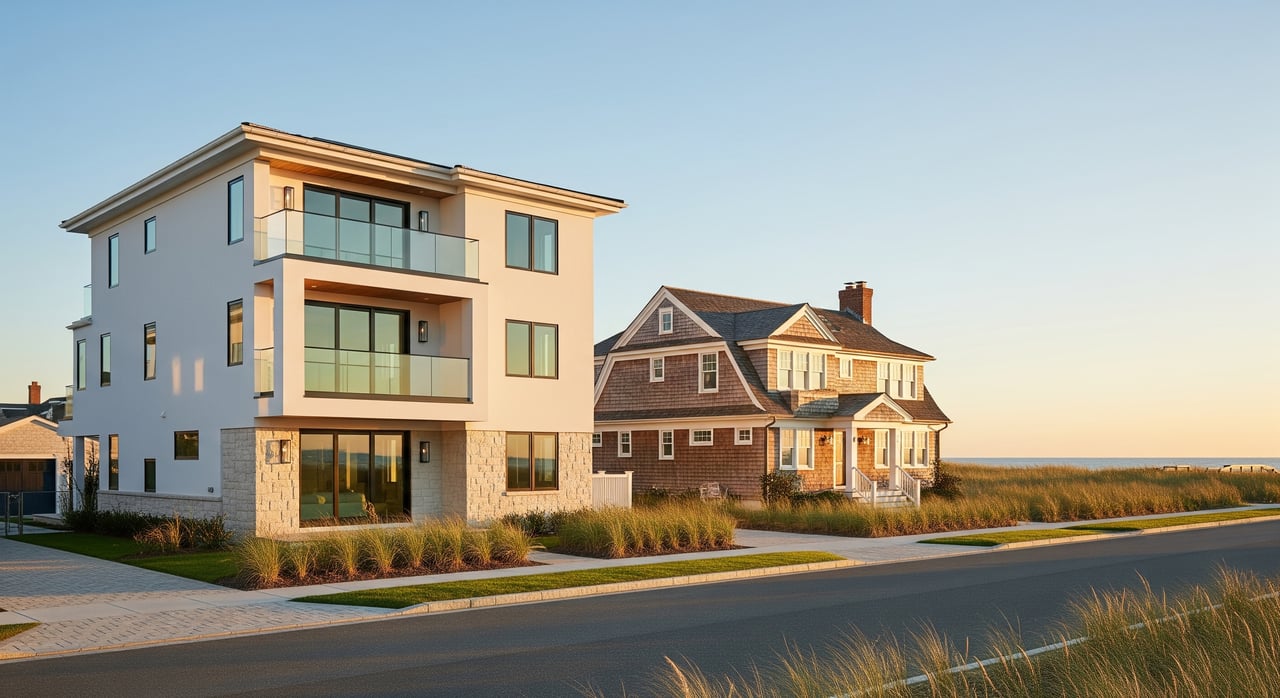
Torn between a brand-new beach house and a classic Long Beach charmer? You are not alone. Buying on a barrier island comes with unique benefits and risks, and the right choice depends on your timing, budget, and comfort with coastal requirements. In this guide, you will learn how new construction and resale compare in Long Beach, what to expect with flood insurance and permits, and how to protect your investment. Let’s dive in.
Long Beach reality: new vs resale
Long Beach is a built-out, walkable barrier-island city. Large new subdivisions are rare. Most new homes are teardowns and rebuilds on existing lots or smaller condo projects. That means availability is limited and demand can be strong near the beach and commercial corridors.
New builds here often include elevated foundations and storm-hardening features that add cost. You may pay a premium for modern construction, coastal engineering, and current code compliance. Resale homes can be more budget-friendly upfront, but they may need updates or flood mitigation.
Cost: price and hidden expenses
Purchase price
- New construction: Often higher price per square foot for modern finishes, elevated foundations, and code-compliant coastal features.
- Resale: Lower price per square foot is possible on older homes, but you may trade upfront savings for near-term repairs or renovations.
Soft costs and surprises
- New construction: Budget for permits, site work in coastal soils, landscaping, and carrying costs during the build. Upgrades beyond base specs raise costs quickly.
- Resale: Inspection findings can lead to immediate expenses for roofs, systems, moisture or structural fixes. Elevation or flood-mitigation retrofits can be significant.
Insurance and utilities
- Flood insurance is a key recurring cost in coastal zones. New homes built above base flood elevation can sometimes reduce premiums, while older homes may face higher costs.
- New builds typically offer better energy efficiency, which can lower utility bills compared with older systems.
Timeline and financing
Typical timelines
- Resale: Often 30 to 60 days from contract to closing, depending on financing and inspections.
- New construction: Months to a year or more from permit approval to move-in, based on complexity, labor and supply availability, and weather. Coastal permitting can add time.
How financing differs
- Resale: Conventional, FHA, and VA mortgages are common, supported by comparable sales.
- New construction: Construction-to-perm or one-time close loans are typical. Lenders issue draws, require inspections, and may rely on a cost approach when few comps exist.
Appraisal risk
- New builds that are larger or higher quality than nearby homes can face appraisal challenges. You may need stronger documentation or a larger down payment to satisfy the lender.
Condition, risk, and maintenance
Resale homes
- Pros: Faster move-in, established landscaping and streetscapes, potential price negotiation if issues appear in inspection.
- Cons: Deferred maintenance, older systems, and possible hidden flood or moisture damage in very old structures.
New construction
- Pros: Built to current coastal codes, energy-efficient systems and appliances, layout control, elevated foundations, and storm-resilient features.
- Cons: Longer wait, punch-list fixes after move-in, builder warranty limits, and potentially higher assessed value that can influence future taxes.
Flood risk and insurance in Long Beach
Long Beach sits in a coastal flood and storm-surge zone. Flood risk is material, and lenders commonly require flood insurance in FEMA Special Flood Hazard Areas.
- Check your specific property’s FEMA flood zone and base flood elevation using Flood Insurance Rate Maps and the Flood Map Service Center. Ask for an elevation certificate.
- FEMA’s Risk Rating 2.0 changed how premiums are set. Elevation, construction type, and building features drive pricing. Private flood markets may offer alternatives. Compare options early.
- Expect post-storm code updates to influence design, including elevating living space and protecting utilities. Elevated new construction can sometimes lower long-term premium exposure compared with older, lower homes.
Permits and coastal compliance
Any new build or major renovation in Long Beach requires careful permitting.
- Building permits come from the City of Long Beach. Projects in floodplains often need elevation certificates, engineered foundation plans, and compliance with local floodplain rules.
- Design typically places mechanicals above the base flood level, uses flood-resistant materials below that line, and may require extra freeboard above FEMA’s base elevation.
- Waterfront or near-shore projects can trigger additional coastal reviews and shoreline protection permits. Engage a coastal architect or engineer with barrier-island experience early.
Resale value and neighborhood fit
Long-term value depends on neighborhood comparables and demand. In Long Beach, proximity to the beach, views, and elevation or mitigation features can strongly influence resale.
New builds can command premiums for modern design and resilience. Resale homes with older layouts may benefit from targeted updates, such as kitchens, baths, and elevating critical systems. Always confirm how zoning and size relate to surrounding homes so your investment aligns with the street’s character.
Which path fits you?
- You need to move soon: Consider a turn-key resale. Focus on thorough inspections and insurance quotes before you commit.
- You want modern design and coastal resilience and can wait: A teardown and rebuild or a new condo can fit. Prepare for longer timelines and higher soft costs.
- You are focused on long-term insurance costs: Prioritize elevated construction or homes with strong mitigation. Ask for elevation data and compare flood insurance quotes early.
Your due diligence checklist
- Confirm the property’s flood zone, base flood elevation, and request an elevation certificate.
- Ask for flood-damage history, insurance claims, and mitigation steps.
- Hire independent inspectors for resale, and milestone inspections for new builds.
- Verify builder credentials, local project history, and written warranty terms.
- Review current assessments and how significant improvements can affect future tax bills.
- Confirm utilities, sewer or septic, and drainage plans, which matter on coastal sites.
- Speak with insurance brokers about flood and wind coverage to estimate premiums and deductibles.
- Consult lenders early about construction loans, appraisal approaches, and down payment requirements.
Smart negotiation tips
- For resale: Use inspection findings for price credits or repairs, set clear repair timelines, and confirm permits where needed.
- For new construction: Seek allowances for finishes, landscaping inclusion, clear punch-list terms, and language addressing material cost changes and build timelines. Clarify the scope and duration of the builder warranty in writing.
Let’s plan your Long Beach move
Whether you lean new or resale, the right plan starts with clarity on costs, timelines, and coastal requirements. If you want a calm, step-by-step process, local insight, and patient guidance, you are in the right place. Connect with Robyn Goldowski to compare options, line up inspections and financing, and move forward with confidence.
FAQs
What should a first-time Long Beach buyer know about flood insurance?
- Expect flood insurance to be a key recurring cost; get elevation data and quotes early to understand premiums under current rating rules.
How long does new construction take in Long Beach compared with buying resale?
- Resale can close in 30 to 60 days, while new construction often takes many months or more due to permitting, coastal compliance, and build schedules.
Can a new elevated home reduce my flood insurance premium?
- Elevation and resilient design can sometimes lower premiums compared with older, lower homes, but actual pricing depends on property-specific factors.
What inspections are essential for a Long Beach resale home?
- A general home inspection plus specialized checks for moisture, structural concerns, and documentation like an elevation certificate are strongly recommended.
What protections do I get with a new-build warranty?
- Builder warranties often cover workmanship for one year, systems for two, and structural items for longer periods; always review written terms and exclusions.
How do appraisals work for a Long Beach new build with few comps?
- Lenders may rely on cost-based approaches and require detailed plans, draw schedules, and sometimes a stronger down payment if comps are limited.