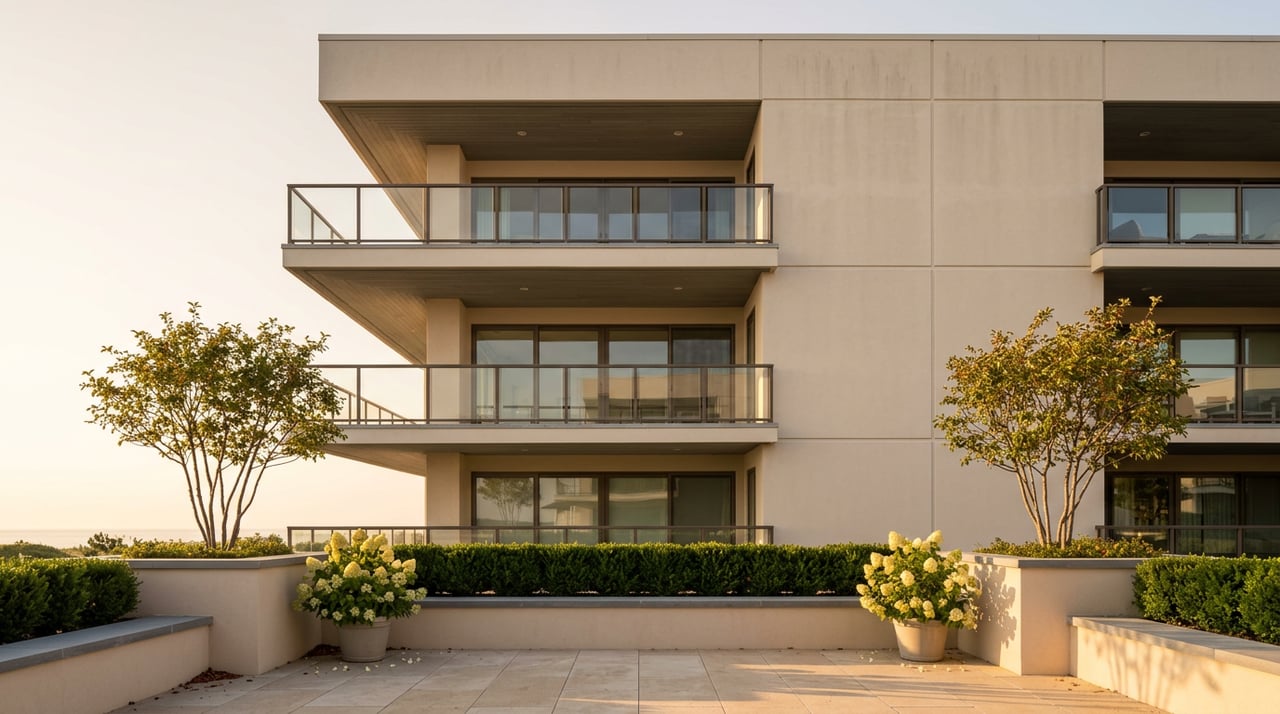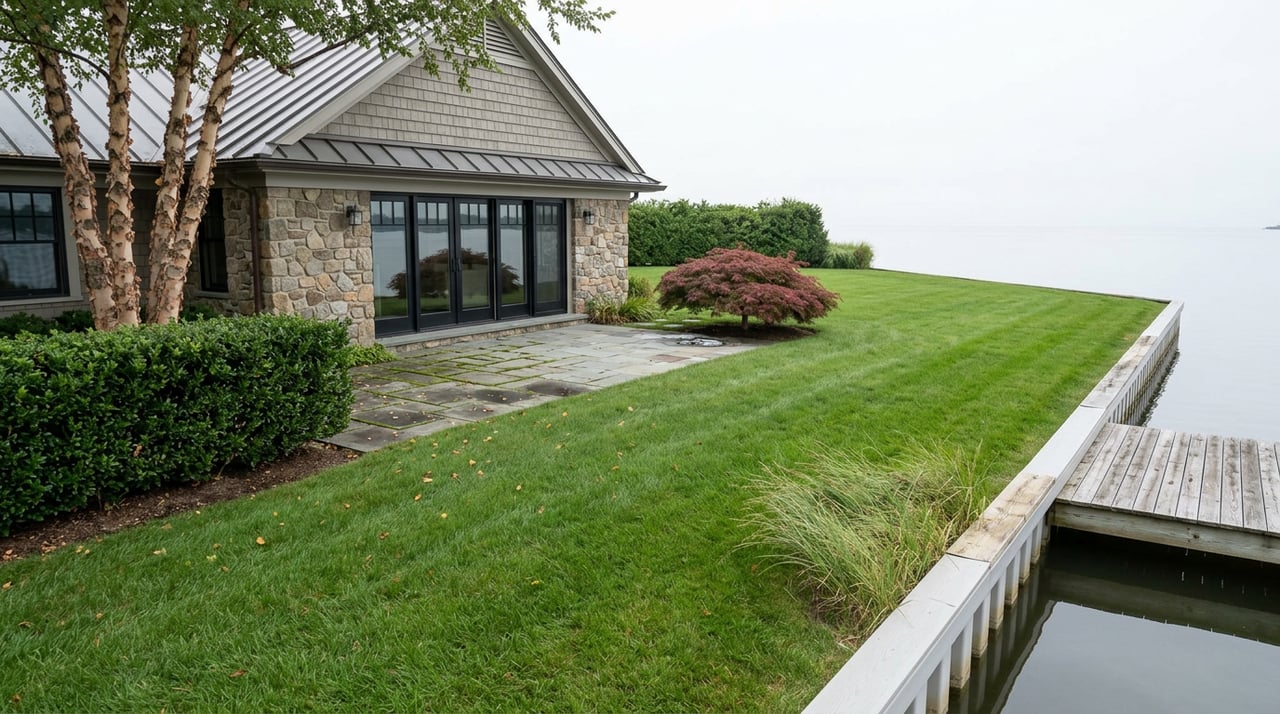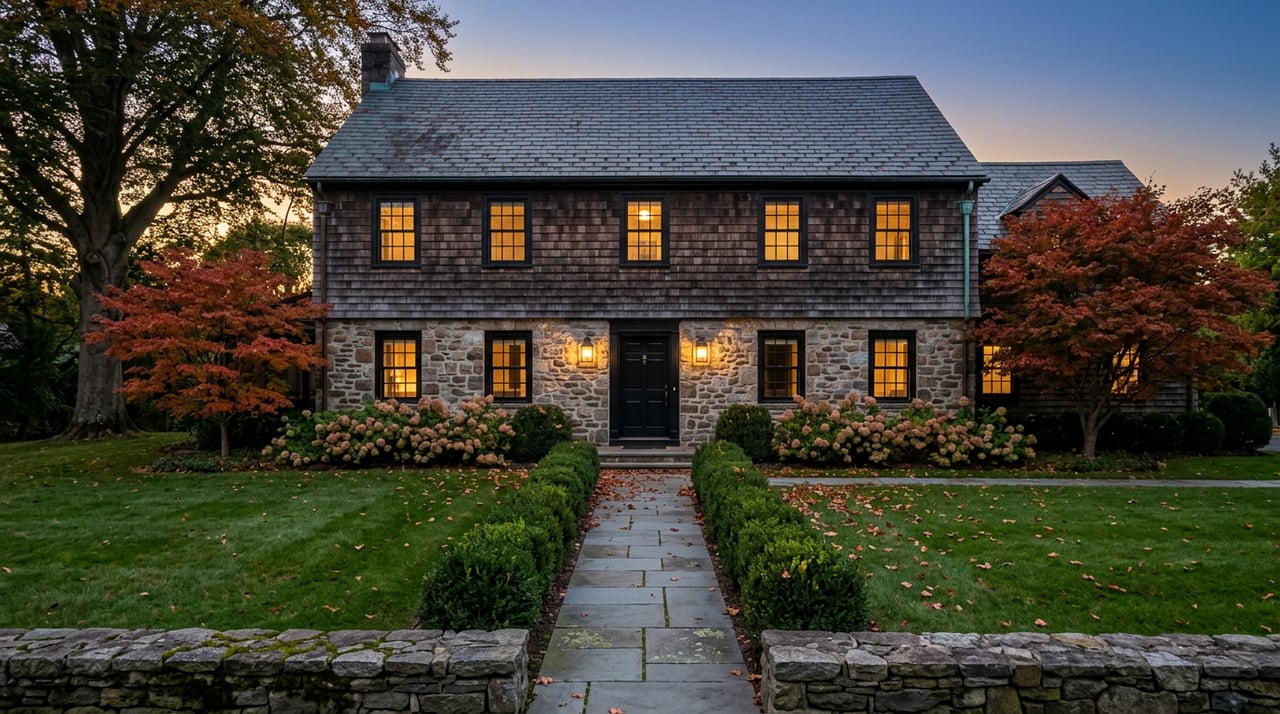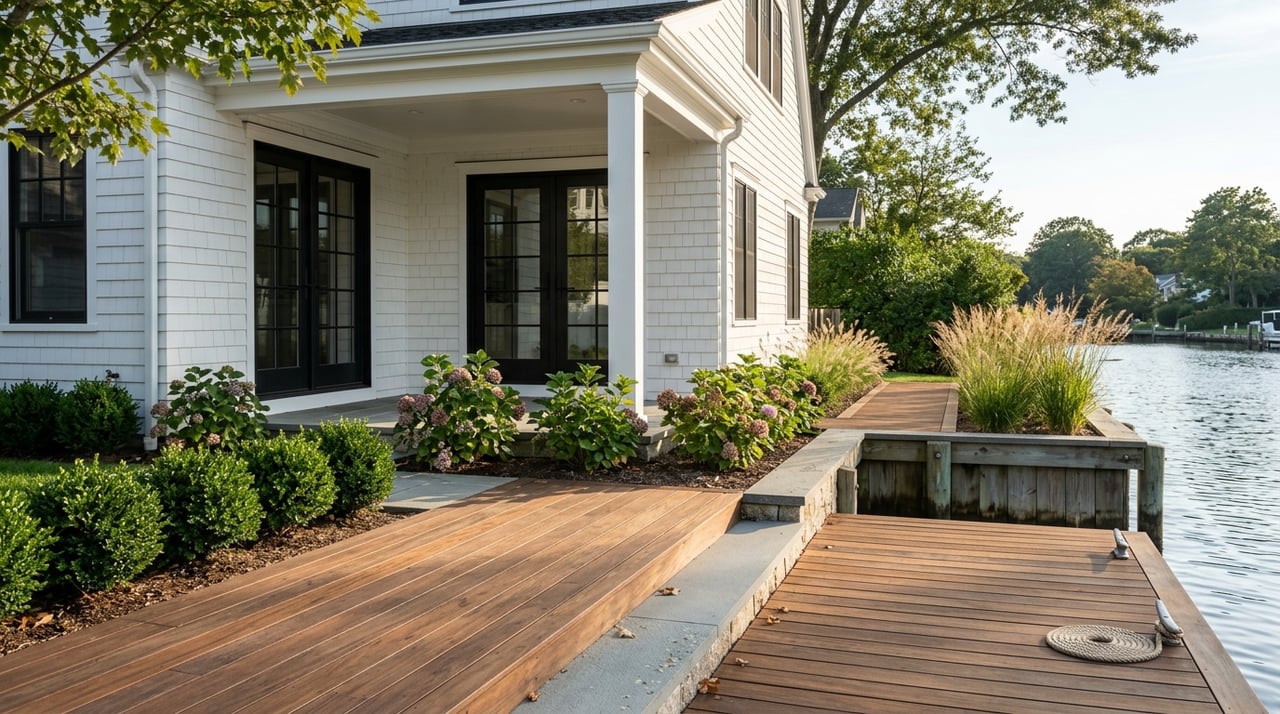
If you are getting ready to sell a waterfront home in Merrick, you are not just listing a house. You are presenting a lifestyle, a shoreline setting, and a property that buyers will examine closely for condition, documentation, and flood-related details. In a market where homes have been moving quickly, smart preparation can help you reduce friction, strengthen buyer confidence, and showcase what makes your home stand out. Let’s dive in.
Why listing prep matters in Merrick
Merrick’s market has stayed active, with recent reporting showing homes selling in about 20 to 25 days on average and sale-to-list performance above asking in many cases. That kind of pace can reward well-prepared sellers, but it can also expose weak spots fast if your home goes live before the details are organized.
For waterfront owners, prep is about more than cleaning and staging. It also means being ready for questions about flooding, insurance, permits, and prior work on the property. In Merrick, especially near flood-prone areas tied to Meadowbrook Creek, buyers are often thinking about both enjoyment and long-term resilience.
Start with paperwork first
Before you schedule photos or touch up paint, gather the documents a buyer is most likely to ask about. This step can save time later and help your listing feel more transparent from day one.
New York’s updated Property Condition Disclosure Statement is required beginning July 1, 2025, and it must be delivered before a binding contract is signed. For waterfront homes, that form is especially important because it asks about flood insurance, flood claims, FEMA or SBA flood assistance, elevation certificates, wetlands, standing water, fuel storage tanks, and water intrusion from heavy rain, storm surge, tidal inundation, or river overflow.
Documents to collect before listing
- Property survey
- Flood insurance declarations, if applicable
- FEMA elevation certificate, if one exists
- Records of flood claims or assistance, if applicable
- Dock or bulkhead permit records
- Completion or closeout documents for waterfront improvements
- Invoices for drainage, remediation, shoreline repair, or waterproofing work
Having these items ready does not just make your file more complete. It also helps your agent market the property with confidence and respond quickly when serious buyers start asking detailed questions.
Check docks, bulkheads, and waterfront features
On a waterfront property, buyers often fall in love with the outside first. Your dock, bulkhead, patio, railings, and water-facing seating areas may be some of the most valuable parts of the home experience.
That said, attractive waterfront improvements can become a sticking point if they are not clearly documented. The Town of Hempstead’s process for structures in waterways requires supporting materials such as a survey and other documentation, and applicants may also be responsible for additional approvals. If you have added or improved a dock, bulkhead, or related feature, now is the time to confirm your records are in order.
What to review outside
- Condition of the dock surface and access points
- Bulkhead appearance and visible wear
- Railings, steps, and lighting
- Drainage near entertaining areas
- Clear, safe paths from the house to the water
- Permit records for any waterfront structures or changes
If something looks unfinished, poorly maintained, or hard to explain on paper, it is worth addressing before your home hits the market.
Focus on small updates that feel move-in ready
Most sellers do not need a major renovation before listing. In fact, for many Merrick waterfront homes, the better strategy is to make the home feel clean, current, and easy to maintain while letting the view and outdoor setting do the heavy lifting.
Recent housing research points to simple cosmetic fixes as high-impact moves. Fresh paint, updated hardware, refreshed caulking, and neutral finishes can help reduce the feeling that a buyer is inheriting a long to-do list.
Easy pre-listing updates to prioritize
- Touch up or repaint walls in neutral tones
- Replace worn or outdated cabinet hardware
- Clean and polish plumbing and light fixtures
- Refresh caulk around sinks, tubs, and windows
- Remove clutter from counters and open surfaces
- Address visible wear caused by salt air or weather exposure
These smaller improvements can change how buyers read the home. On waterfront properties, minor wear can sometimes feel bigger than it is, so a polished presentation matters.
Stage the waterfront lifestyle
Water views alone are not enough. Buyers want to understand how they would actually live in the home, both inside and out.
National staging research supports this approach. In NAR’s 2025 staging report, 83% of buyers’ agents said staging made it easier for buyers to visualize a property as a future home, and strong photos were also a major factor in buyer engagement. For a Merrick waterfront listing, that means staging should extend beyond the living room and kitchen to include the patio, deck, dock approach, and any outdoor entertaining area.
Areas to stage carefully
- Living room
- Kitchen
- Primary bedroom
- Patio or terrace facing the water
- Outdoor dining or seating area
- Dock entry or launch area, if applicable
Think in terms of usability, not just beauty. A few well-placed chairs, clean cushions, simple planters, and tidy lighting can help buyers picture morning coffee, summer dinners, or sunset gatherings by the water.
Make outdoor features part of the sales story
Lifestyle features can influence perceived value when they are presented clearly. Zillow’s 2026 research found that homes with move-in-ready finishes and lifestyle-driven features can sell for as much as 5.4% more than expected, with examples including docks and outdoor fireplaces.
That is why your outdoor spaces should not feel like an afterthought in the listing. If your home has a dock, bluestone patio, outdoor shower, fireplace, or waterfront entertaining zone, each one should be cleaned, styled, and photographed as a core feature.
Outdoor details buyers notice
- Whether seating areas feel intentional
- Whether the path to the water is clear and well-kept
- Whether the dock looks usable and maintained
- Whether exterior hardware and lighting feel current
- Whether the yard supports relaxing or entertaining
The goal is simple: help buyers understand that the waterfront setting is not just scenic, but functional and enjoyable.
Invest in strong marketing assets
Online presentation matters for every listing, but it is especially important for waterfront homes. Buyers need to understand the relationship between the house, yard, dock, bulkhead, and waterline before they ever set foot on the property.
That is why professional photography, video, and virtual tour assets should be treated as essential. Aerial imagery can also be useful for showing lot layout and waterfront context, as long as it is captured by an FAA-certificated remote pilot following Part 107 rules.
Your launch-day marketing checklist
- Professional interior photography
- Exterior twilight or daylight photography, as appropriate
- Short-form listing video
- Virtual tour assets
- Aerial images that show the waterfront layout clearly
- Consistent presentation across listing remarks, disclosures, and visuals
When the marketing is clean and cohesive, buyers spend less time guessing and more time connecting with the property.
Follow the right prep order
One of the biggest mistakes waterfront sellers make is doing the fun parts first. Photos, staging, and design choices matter, but they work best when the paperwork and repair details are already handled.
A smart listing sequence can help you avoid delays and mixed messaging once buyers start looking closely.
Recommended Merrick waterfront prep sequence
- Gather disclosure, flood, and permit documents.
- Review docks, bulkheads, and exterior waterfront features.
- Complete small visible repairs and neutral cosmetic updates.
- Stage key interior rooms and outdoor living areas.
- Order professional photo, video, virtual tour, and drone assets.
- Launch only when the home’s condition, documents, and marketing tell the same story.
That sequence supports a smoother listing process and a more confident first impression.
Final thoughts for Merrick sellers
Selling a waterfront home in Merrick is part presentation and part preparation. You want buyers to feel the appeal of the setting right away, but you also want them to see a home that has been cared for, documented clearly, and brought to market thoughtfully.
In a fast-moving local market, the homes that stand out are often the ones that feel complete before they ever go live. If you want a calm, polished plan for your waterfront sale, connect with Robyn Goldowski for expert guidance tailored to your Merrick property.
FAQs
What paperwork should you gather before listing a Merrick waterfront home?
- You should gather your property survey, flood insurance declarations, elevation certificate if one exists, dock or bulkhead permit records, closeout documents, and invoices or records for drainage, shoreline, or remediation work.
What does New York require for waterfront home disclosures?
- Beginning July 1, 2025, New York requires an updated Property Condition Disclosure Statement before a binding contract is signed, and it includes questions about flood claims, flood insurance, FEMA or SBA assistance, elevation certificates, wetlands, standing water, and water intrusion.
Why do dock and bulkhead permits matter when selling a Merrick waterfront home?
- Waterfront structures can trigger buyer questions and transaction delays if records are missing, and the Town of Hempstead requires supporting documentation for structures in waterways.
Which updates matter most before listing a Merrick waterfront home?
- The most effective updates are usually small, visible improvements such as neutral paint touch-ups, updated hardware, refreshed caulk, decluttering, and exterior cleanup rather than a major remodel.
Should you use drone photography for a Merrick waterfront listing?
- Drone photography can be very helpful for showing the lot, water access, and layout, but it should be handled by an FAA-certificated remote pilot who follows Part 107 requirements.