Thinking about selling in Long Beach but not sure when to list? You are not alone. Timing your sale can shape how quickly you go under contract and what price you achieve, especially in a coastal market. In this guide, you will learn the seasonal patterns that matter most in Long Beach, the local factors that can shift the ideal window, and practical strategies for strong results in any season. Let’s dive in.
Best months to list
In Long Beach, spring is usually your strongest bet. Listings that hit the market from April through June tend to see higher buyer traffic, more showings, and faster offers. This lines up with Long Island’s broader seasonality and the beach lifestyle that draws buyers to the area.
Summer stays active, especially for lifestyle and second-home buyers who visit in season. Early fall often brings a second wave of motivated shoppers. Late fall and winter are typically slower, although the right pricing and preparation can still deliver a great sale.
Why spring stands out
- Buyers plan summer moves and want to be settled before the new school year, so they search and offer in spring.
- Fresh inventory appears after winter maintenance and spring cleaning, which brings energy to the market.
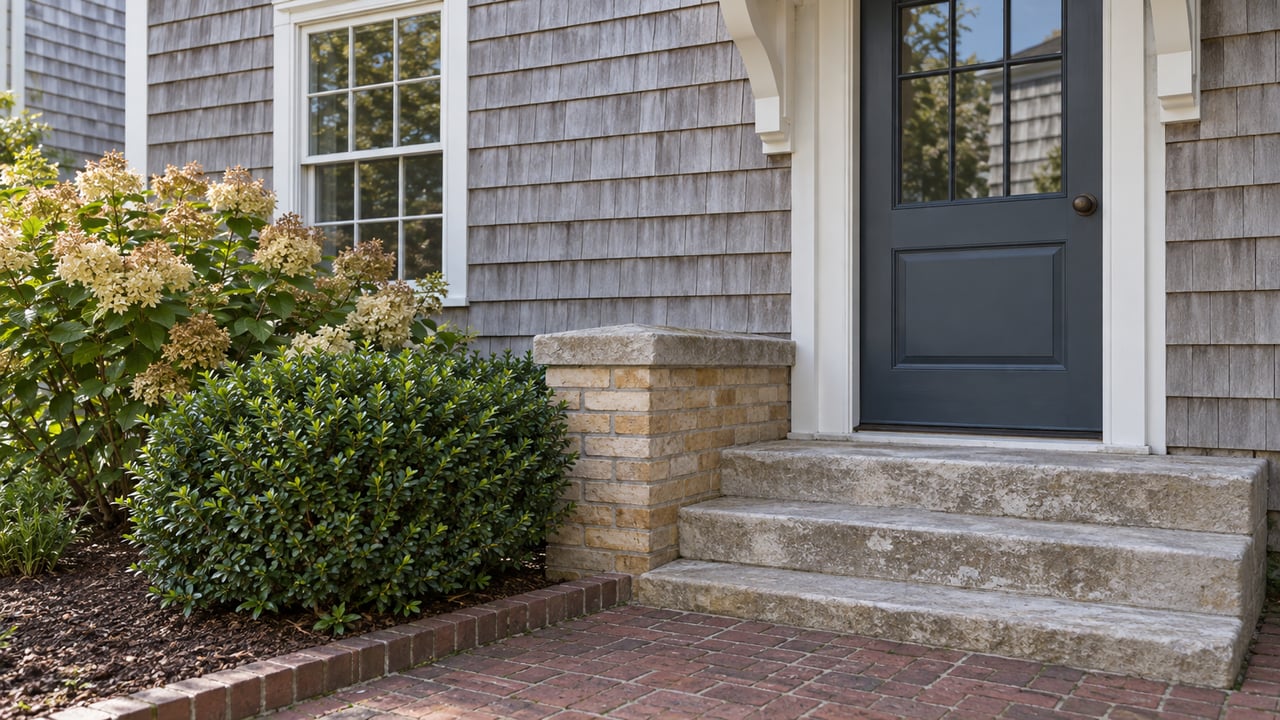
- Curb appeal is at its peak, a real advantage in a beachfront community where outdoor spaces and natural light shine.
When summer performs
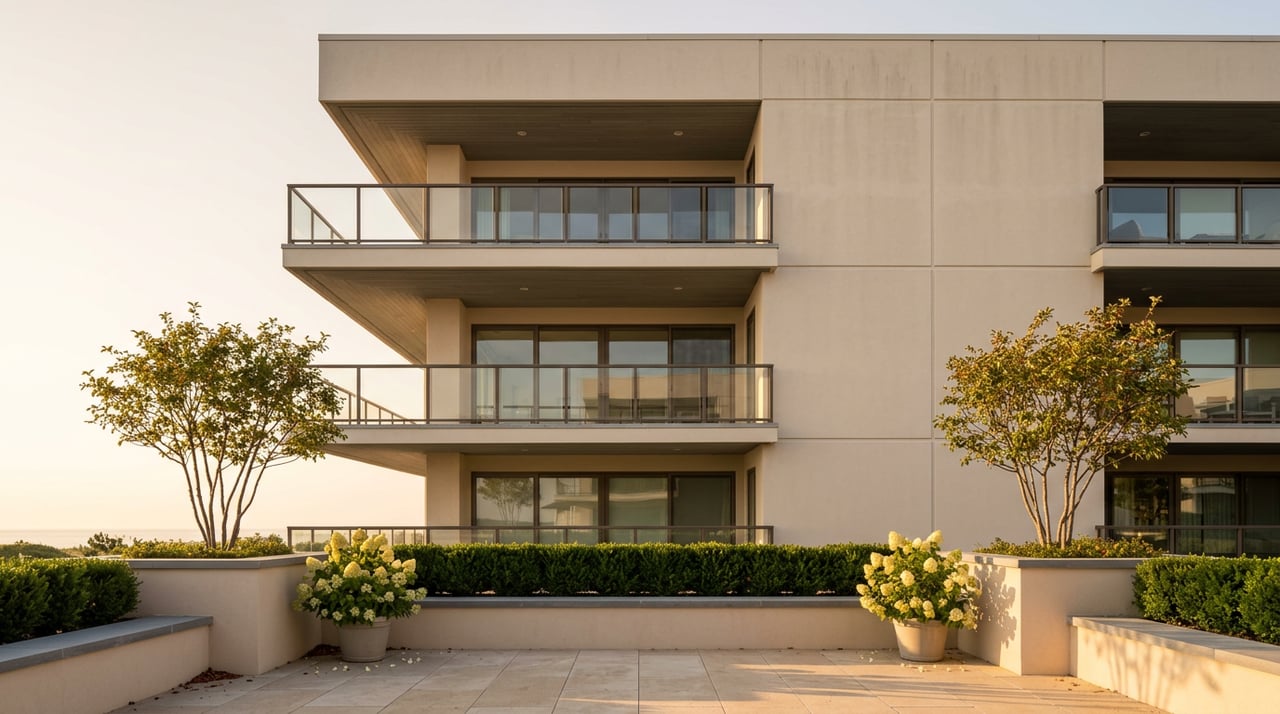
Summer can be excellent for well-positioned homes, especially those near the boardwalk or beach. Out-of-town visitors and second-home shoppers often tour and purchase during this period. If your property highlights outdoor living and views, summer can shorten your time to contract.
Early fall momentum
Early fall, especially September, can deliver a tight, motivated buyer pool. Many households make quick decisions after the school year starts. If you miss spring, an early fall list date can capture buyers who want to close before the holidays.
Winter can still work
Winter typically brings fewer buyers and longer days on market, but it also reduces competition. If inventory is low and you price strategically, a motivated buyer can meet you quickly. Relocations and job-driven moves still happen in winter, which can work in your favor.
Local factors to watch
Seasonality is a strong guide, but it is not the only one. Local conditions in Long Beach can shift the balance.
Mortgage rates and inventory
Interest rates influence buying power and urgency. When rates drop, demand often rises. Inventory levels matter just as much. A low-inventory spring is ideal for sellers, while a high-inventory market can push you to price more competitively.
Insurance and flood zones
Much of Long Beach sits in flood hazard zones. Buyers, lenders, and insurers will evaluate elevation, prior claims, and premium costs early in the process. Getting ahead of insurance questions with an elevation certificate, quotes, and clear disclosures can speed negotiations and build buyer confidence.
Hurricane season and weather
Hurricane season runs from June through November. Weather events can disrupt showings and influence buyer sentiment. Listing in spring and early summer helps you avoid much of this risk window, but if you are selling in season, prepare for timeline flexibility and insurance contingencies.
Commuting and lifestyle demand
Access to the Long Beach Branch of the LIRR keeps the city attractive to commuters. Shifts in hybrid and remote work can change when people shop and buy. The boardwalk, beaches, and summer events also pull lifestyle buyers into the spring and summer search cycle.
Tailor timing to your property
Your best list month also depends on your home’s features and likely buyer.
Waterfront and coastal homes
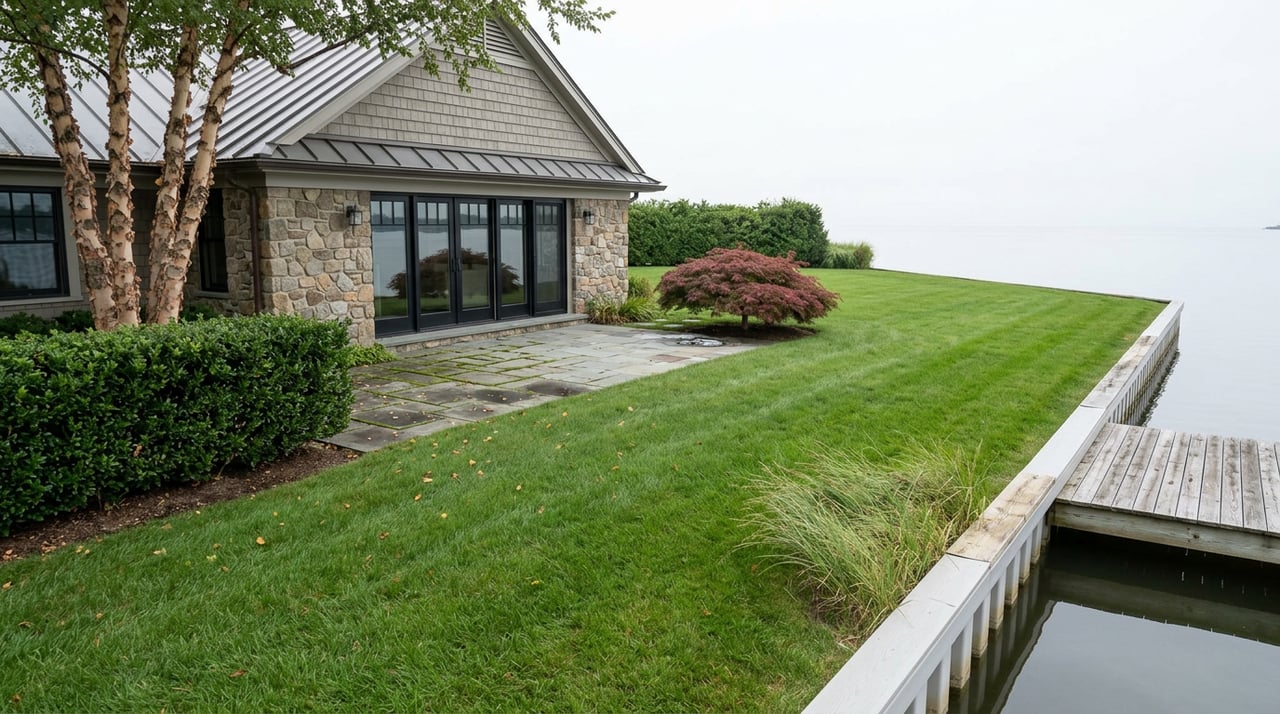
Waterfront and beach-proximate properties shine in spring and summer when views, decks, and outdoor living are easy to experience. These listings benefit from early, thorough preparation on insurance and flood documentation since buyers will scrutinize those costs.
Family-focused properties
If your home appeals to households with school-age children, list to enable a summer closing. Many families prefer moving in late July or August to start the new school year smoothly. An April or May list date often lines up with that goal.
Homes needing updates
If your exterior needs attention or landscaping help, spring and early summer provide better curb appeal. For winter listings, focus on interior warmth and function, strong lighting, and crisp staging so buyers can envision the space.
Pricing and marketing by season
Align your approach to the calendar to maximize results.
Spring strategy
- Pricing: If inventory is tight, you can price slightly more assertively relative to recent comparable sales. Monitor new listings weekly and adjust if competition rises.
- Marketing: Showcase outdoor amenities, boardwalk or beach access, and seasonal lifestyle images. Add twilight photos if views are a highlight.
- Showings: Prioritize weekend open houses and flexible evening slots to capture peak traffic.
Summer strategy
- Target second-home and out-of-town buyers who tour during vacations. Offer flexible showing windows and clear instructions for beach parking and access.
- If applicable, present rental histories or projected seasonal income consistent with local rules, and verify municipal regulations before promoting rental potential.
Fall strategy
- List in early fall if you missed spring. Emphasize quick move-in timing before winter.
- Consider pricing to stand out before holiday travel slows buyer activity.
Winter strategy
- Highlight energy efficiency, storage, and indoor comfort. Lean on professional photography, video, and virtual tours to reach remote buyers.
- Expect a longer marketing period and price with today’s inventory in mind.
Pre-list checklist
Use this checklist regardless of season to remove friction and build buyer trust.
- Gather a fresh market snapshot from the local MLS: recent sales, days on market, and list-to-sale price ratios.
- Address coastal documentation: elevation certificate if available, flood zone map or summary, any history of flood claims, and current insurance quotes.
- Complete cosmetic and structural tune-ups: roof, windows, HVAC service, exterior paint, deck and railing safety, and any boardwalk-facing elements.
- Compile records: surveys, permits for renovations, contractor invoices for major work, utility and maintenance histories, and any HOA or municipal disclosures.
Off-season tactics that win
If you need to sell in late fall or winter, you can still create a strong outcome.
- Use top-tier photography, video, and a virtual tour to capture buyers who cannot visit in person.
- Provide detailed disclosures about flood zones, recent repairs, and known costs like insurance. Transparency reduces delays.
- Offer time-limited incentives where appropriate, such as a credit toward flood mitigation items or information on rate buy-down options from lenders.
- Lean on targeted lifestyle marketing that highlights proximity to the boardwalk, parks, dining, and the LIRR for year-round convenience.
Contract timing and logistics
Coastal transactions can include extra steps. Plan your timeline with these in mind.
- Insurance and lending: Build in time for flood insurance quotes, lender underwriting, and any elevation or sea wall documentation the buyer may request.
- Contingencies: Expect buyers to ask for longer due diligence windows if insurance is involved. Clear, early documentation can shorten this.
- Weather: Hurricane season can cause temporary delays. Keep open communication about rescheduling and access.
- Move timing: If you need to bridge from one home to the next, consider a leaseback or flexible closing date written into the contract.
How to decide right now
Since the “best” month depends on current conditions, ground your plan in today’s data. Start with the latest Long Beach figures from the local MLS, including active listings and days on market. Pair that with a read on interest rates and buyer activity you see at open houses.
Next, map your ideal closing date. If you want a summer move, work backward to select your list week in spring. If you need to sell off-season, focus on pricing, presentation, and the specific documentation Long Beach buyers expect.
Finally, build a step-by-step plan for pre-list improvements, photography, and launch timing. A thoughtful rollout gives you the best chance to capture the most qualified buyers in any month.
Ready to time your sale and go to market with clarity? Reach out to Robyn Goldowski for a tailored plan, neighborhood-level insights, and premium marketing that puts your home in its best light. Get your instant home valuation to start the conversation.
FAQs
What is the single best month to list in Long Beach?
- Spring, generally April through June, tends to deliver the strongest buyer demand and faster offers, although current inventory and mortgage rates can shift the best month in a given year.
Will I get a better price if I wait for spring?
- Often yes, since spring demand is higher, but waiting also risks changes in interest rates, new competing listings, or repair surprises, so weigh timing against today’s market snapshot.
How does being on the water affect timing for my sale?
- Waterfront and near-beach homes typically show best in spring and summer when outdoor spaces shine, and these listings benefit from early insurance and flood documentation to keep deals moving.
How does hurricane season impact selling in Long Beach?
- Hurricane season runs June through November and can cause weather-related delays or buyer caution, so spring and early summer listings often avoid much of that risk window.
What documents should I gather before listing in Long Beach?
- Collect your survey, elevation certificate if available, any prior flood claims, current insurance quotes, permits for renovations, contractor invoices, utility histories, and required municipal or HOA disclosures.
Can I still sell well in winter in Long Beach?
- Yes, if inventory is low and you price strategically, focus on strong interior presentation, and provide clear coastal disclosures, motivated buyers can move quickly even in the off-season.