Walk the boardwalk past 180 Boardwalk this month and you will find a line at a taco counter that did not exist in June. Order a frozen margarita there, in view of the ocean, and you are doing something that was flatly illegal on that stretch of sand-adjacent concrete for more than a decade, until this spring.
That is the part of the story most residents already caught, because it played out in three-hour City Council meetings and neighbor group chats all through April. The part that gets skipped is what the old rule actually protected, and what the new one actually opened, because those two things are not the same, and the gap between them is the whole story.
One Hotel Had an Exception. Nobody Else Had a Rule.
For years, the only boardwalk-facing business in Long Beach legally serving alcohol was the Allegria Hotel, which opened in 2009 and has run its restaurant and bar without notable incident ever since. City Council President Brendan Finn made a point of saying, during the April hearing, that the Allegria had been doing this safely the entire time, in full compliance with New York State law, while technically sitting outside Long Beach's own code, which allowed boardwalk businesses to sell food and non-alcoholic beverages only.
That mismatch mattered because it meant the city had already decided, in practice, that a boardwalk hotel serving cocktails was fine. It just hadn't updated the paperwork to say so. Every other business on the boardwalk was stuck on the wrong side of a line the city itself wasn't really enforcing against its most visible example.
What the April 7 Vote Actually Changed
On April 7, 2026, the City Council voted unanimously to amend the ordinance, allowing boardwalk-facing restaurants and businesses to sell and serve alcohol on their own premises and lifting the citywide moratorium on new bar permits. The changes took effect immediately.
What it did not do is put a drink in your hand on the boardwalk itself. The beach stays dry. The boardwalk stays dry. If you want the margarita, you sit down for it, inside the four walls of a licensed business. Finn was blunt about this at the hearing:
"I don't want people to be hysterical about it because people aren't going to be allowed to drink on the boardwalk or on the beach."
That distinction is the whole legal architecture of the change, and it is the piece that tends to get flattened into "Long Beach legalized boardwalk drinking" by anyone summarizing it from a headline instead of the ordinance.
The Three Names Actually Affected
Two boardwalk businesses had already filed applications with the New York State Liquor Authority before the ordinance even passed, which tells you the demand was there well ahead of the policy catching up.
Riptides 11561 is a boardwalk cafe on Edward Boulevard that has served regulars for years and filed its SLA application the previous November. Its attorney, Denis Kelly, spoke first at the April hearing to head off rumors that the place was about to turn into a late-night bar. It isn't. No DJs, no nightclub hours, just a beer or a glass of wine with a meal a few steps from the water.
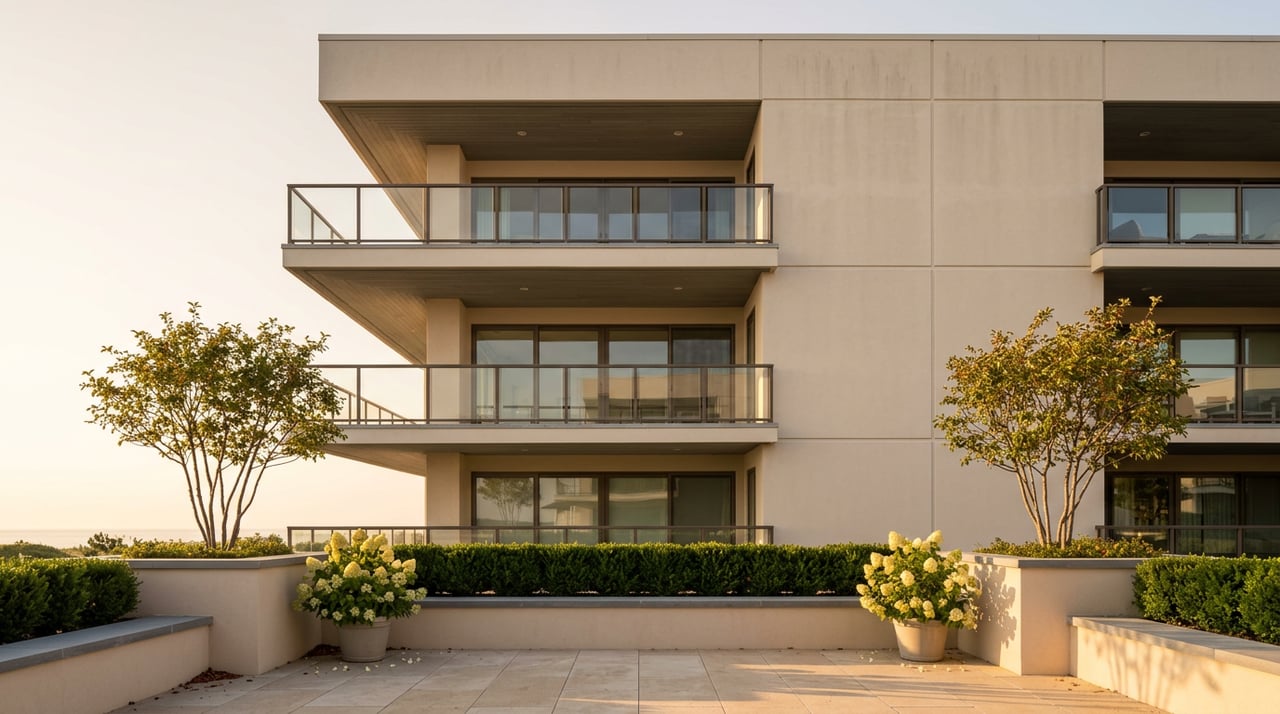
Tulum Tacos & Tequila, the modern Mexican restaurant group with existing locations in Baldwin and Mineola, is the anchor tenant of the new mixed-use development at 180 Boardwalk, known as the Superblock, built by B2K Development alongside the adjacent Breeze and Boardwalk condominiums. Owner Nicolas Geeraerts told the council his lease caps operating hours at 11 p.m., specifically to head off the nightclub comparison. His plan has two stages: a counter-service Tulum Taco Stand for quick tacos, bowls, and frozen margaritas, and a larger sit-down restaurant called Hacienda Tulum.
Then there's the quieter precedent nobody at the hearing needed to explain twice: Bright Eye Brewery on Park Avenue, which had already gotten around the old restrictions years earlier by winning a zoning board approval, proof that Long Beach had been carving out one-off exceptions long before it wrote a general rule.
Why This Vote Passed When 2017 Didn't
Long Beach considered essentially the same idea in 2017 and voted it down, largely on the strength of opposition from Long Beach Aware, the state-funded drug and alcohol prevention nonprofit run by Judi Vining. She showed up again this April with the same core objection, telling the council the change removes "one of the protective factors that we have for kids."
What shifted the outcome nine years later wasn't a change in that argument. It was a change in what the city was already dealing with. In recent years, Long Beach has had real problems with unauthorized parties and illegal gatherings organized on social media, incidents serious enough to draw gunfire and arrests, according to reporting on the council's own discussion of the issue. That gave supporters a different frame: the risk to manage isn't a restaurant pouring a glass of wine with dinner, it's an unregulated crowd on the sand with no licensing, no staff, and no accountability at all. Finn made the comparison explicit, pointing out that Rockaway and Jones Beach, the boardwalks on either side of Long Beach, already have bar and restaurant service and don't share that same reputation.
More than 200 residents and business owners packed City Hall for the vote, and the meeting ran over three hours, with dozens speaking for up to three minutes each. That kind of turnout for a zoning ordinance is its own signal. This wasn't a technical fix nobody noticed. It was treated, correctly, as a real change to how the boardwalk works.
What's Actually Different If You Walk Down There Tonight
As of this month, the change has stopped being theoretical. The Tulum Taco Stand opened quietly in July, running an intentionally loose schedule built around demand rather than fixed hours, generally midday Wednesday through Friday and mornings on weekends, with the door staying open later on a busy day just because the food's still moving. Hacienda Tulum, the roughly 200-seat sit-down half of the project, is set for a soft opening this month with a full opening in September. It's a bigger swing than the taco stand suggests: a mole-focused kitchen, a 24-seat private dining room, and a 20-seat hidden speakeasy planned for several months after the main opening.
The detail that will matter most to anyone who has ever circled the same three blocks looking for a spot near the boardwalk on a July Saturday is the parking. The project includes a private 100-space garage with direct elevator access into the restaurant, separate from the parking reserved for the attached condo residents. Long Beach's summer parking crunch is close to a running joke among people who live here, and this is the first boardwalk restaurant project built specifically to route around it rather than add to it.
None of this means the boardwalk has turned into a bar crawl. The ordinance was written narrowly on purpose, and every operator who spoke at the April hearing went out of their way to draw the line between "restaurant with a liquor license" and "nightclub," because that distinction was the price of getting the vote to pass at all. What's changed is smaller and more specific than the headlines suggested in April: a handful of named addresses now have a legal path to put a drink on the table, and this summer is the first one where you can actually see what they built with it.
If you've lived here through a few boardwalk seasons, this is worth watching not because it changes what Long Beach is, but because it's the first real test of whether the city's bet on controlled, on-premises alcohol service plays out the way Finn and the council argued it would. September's full opening at Hacienda Tulum is as good a marker as any for whether that bet pays off.
Robyn Goldowski has spent years tracking exactly this kind of shift in Long Beach, the small policy and business changes that quietly reshape what daily life here actually feels like. If you're weighing a move to the barrier island, or just want a straight read on how a specific block or building is trending, reach out to Robyn Goldowski directly, or get your instant home valuation to see where your own property stands today.