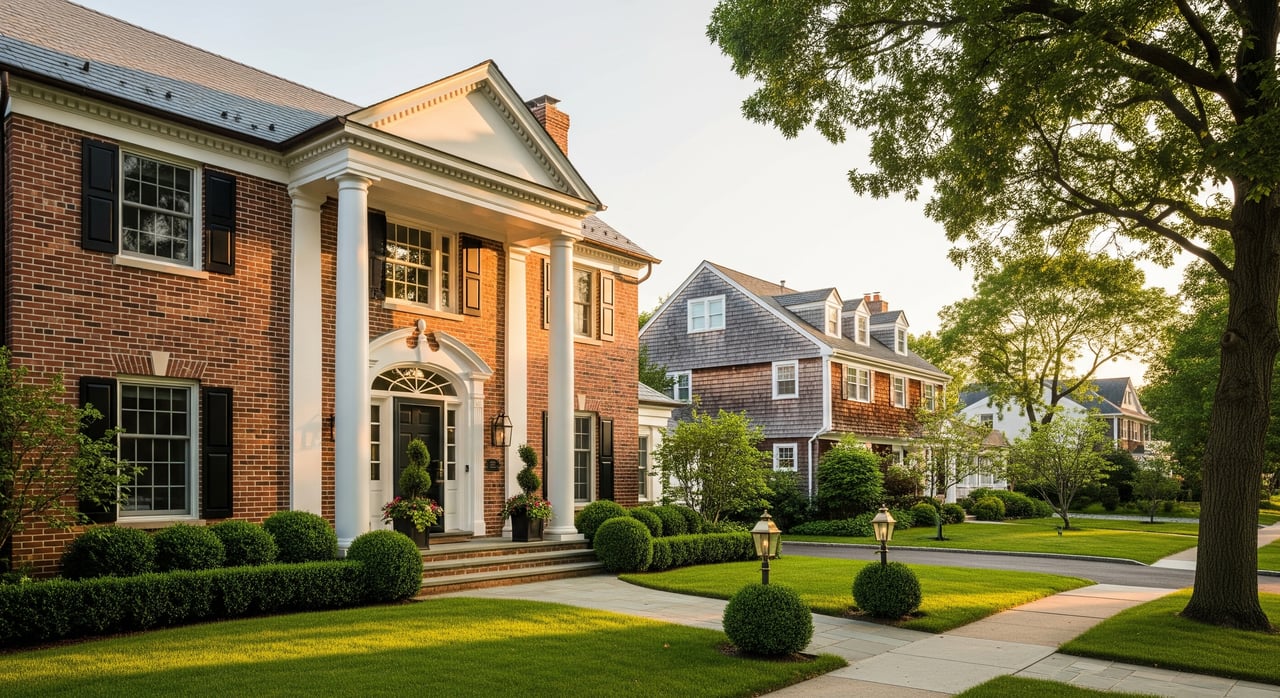
Trying to choose between a Colonial, a Cape Cod, or a Split-level in Merrick? You are not alone. Each style offers a different look, layout, and path for upgrades, which affects how you live day to day and how your home performs when you sell. This guide breaks down how to spot each style, what the floor plans feel like, renovation and inspection tips, and Merrick-specific factors like flood risk and permits. Let’s dive in.
Quick style ID at a glance
Colonial
- Two full stories with a centered front door and evenly spaced multi-pane windows.
- Traditional rectangular shape with a gabled roof. Brick or clapboard siding is common.
- Bedrooms upstairs, living spaces on the first floor, usually with a central hallway.
What it feels like: Clear separation between living and sleeping, predictable rooms that are easy to expand. Ceilings often feel taller than in splits.
Cape Cod
- Compact 1 to 1.5 stories, steep roof, often with dormers if the second level is finished.
- Low, broad profile with a small entry and simple, symmetrical facade.
- Bedrooms can be on the main level, with upper rooms tucked under roof slopes.
What it feels like: Cozy and efficient. Upper rooms may have sloped ceilings. Many owners add dormers or a full second story over time.
Split-level
- Staggered floors with short sets of stairs between levels.
- Often a mid-level main living area, upper bedrooms, and a lower family or utility level. Attached garages are common.
- Exterior can mix brick and wood, with staggered rooflines.
What it feels like: Defined zones for living, entertaining, and sleeping. Lower levels can have lower ceilings. Converting to an open plan can take structural planning.
How these styles show up in Merrick
Merrick saw major growth in the mid-20th century. Many Capes and Splits date from the 1940s to 1960s, so you can expect original mechanicals in some homes and kitchens or baths that may feel smaller by today’s standards. Colonials appear in earlier pockets and also as later infill or expansions from the 1970s through the 2000s.
Lot sizes vary by block. You will see denser village-style streets with smaller lots and stretches with larger yards. Capes and Splits are common on mid-sized lots. Colonials tend to appear where lots allowed a larger two-story footprint or in later subdivisions and remodels that added second stories.
If you want to target a certain style, review Nassau County property maps or the Town of Hempstead assessor’s data for clusters. This helps you understand where renovation trends have already raised rooflines or added second-story space.
Renovation paths and resale angles
Style alone does not set value. In Merrick, lot location, condition, usable square footage, and overall function have a bigger impact. That said, each style has common value plays.
Colonial: move-up appeal
- Why buyers like it: Multiple full-size bedrooms upstairs, traditional curb appeal, and flexible layouts for additions.
- Smart upgrades: Kitchen and bath modernizations, exterior refresh, and basement finishing where dry. The two-story form makes expansions straightforward.
- Resale note: Colonials often trade at a premium because of full second-story bedroom counts and predictable layouts.
Cape Cod: expansion upside
- Why buyers like it: Main-level bedrooms and a manageable footprint for first-time buyers or downsizers.
- Smart upgrades: Dormers to add headroom and light, or a full second-story conversion to maximize space. Refresh kitchens and baths for strong ROI.
- Resale note: Well-executed dormers or second-story additions can materially lift value by increasing usable square footage.
Split-level: zoned living, modernized layouts
- Why buyers like it: Separate zones for work, play, and sleep. Many have attached garages and a yard-friendly footprint.
- Smart upgrades: Update kitchens and baths, improve lighting, and consider targeted structural work to open key walls. Address moisture control in lower levels.
- Resale note: Splits can lag if the layout feels choppy, but thoughtful updates help them compete with open-plan preferences.
Flood, basements, and coastal realities
Parts of Merrick lie within FEMA Special Flood Hazard Areas and can be affected by storm surge. Always check a property’s FEMA flood zone and confirm whether flood insurance is required for your loan. Because flood maps and rates change, obtain quotes early in your process and review any elevation certificate on file.
Long Island’s groundwater table can be high. Many homes have basements that need waterproofing, sump pumps, and dehumidification. When you evaluate mechanical systems, consider elevating critical equipment, adding a generator, and installing backflow preventers where appropriate. These coastal-resilient upgrades are increasingly common and can strengthen buyer confidence.
What to inspect before you buy
Use this checklist for any Merrick home, then add the style-specific items below.
- Flood exposure: FEMA zone, elevation certificate, history of water events or insurance claims.
- Foundation and basement: Evidence of water intrusion, sump pump condition, cracks, and efflorescence.
- Roof and attic: Age, ventilation, insulation levels, and flashing at all penetrations.
- HVAC and heat: Age and fuel type. Ask about oil tanks, conversion history, and efficiency.
- Electrical: Panel capacity, presence of outdated panels or aluminum wiring.
- Plumbing: Pipe materials, water pressure, water heater age, and any sewer backup history.
- Structural: Sagging floors, uneven ceilings, or signs of movement.
Cape-specific checks
- Dormers and upper rooms: Insulation under sloped ceilings, ventilation, and egress for any bedrooms.
- Roof-to-wall junctions: Pay close attention to dormer flashing and valleys for potential leaks.
- Expansion feasibility: Roofline and attic framing affect the cost of a full second story.
Colonial-specific checks
- Load paths and walls: Central hallways can simplify additions, but structural plans still matter.
- Historic elements: Original windows or woodwork may add character. Balance preservation with maintenance needs.
Split-level-specific checks
- Stairs and rails: Confirm safety and modern code compliance for multiple short runs.
- Lower levels: Review insulation, vapor barriers, and moisture management in slabs and crawlspaces.
- Open-plan potential: Structural changes may be required to reconfigure levels. Consult a structural engineer early.
Permits, zoning, and timelines
Merrick is within the Town of Hempstead. Additions, dormers, second-story work, garage conversions, and similar projects require permits and must meet setbacks, floor-area ratio, and zoning rules. Some older lots are pre-existing nonconforming and can require variances.
Start early with the Town of Hempstead Building Department to understand what is allowed on your lot. If you are planning a larger project or a flood-resilient retrofit that elevates mechanicals, factor in longer timelines and the need for multiple contractor bids. Renovation costs on Long Island tend to run above national averages.
Financing and insurance notes
- Flood insurance: Required for federally backed mortgages in high-risk flood zones. Premiums depend on the specific zone and elevation. Get quotes before you make final decisions.
- Underwriting: Lenders often look for adequate heat, safety systems, and insurable condition. Very old systems can trigger repair requirements.
- VA and FHA: Appraisals may flag safety issues or nonconforming rooms, which can affect valuation. Plan upgrades or repairs in advance when possible.
Which Merrick style fits your lifestyle
- You want classic curb appeal and bedrooms upstairs: Consider a Colonial. The layout supports larger families and predictable expansions.
- You prefer main-level living or a manageable footprint with future upside: A Cape can fit now and grow with a dormer or a full second-story project.
- You like defined zones for work, play, and guests: A Split-level offers separation. With updates, it can deliver modern flow while keeping its efficient footprint.
Think about commute, yard needs, budget for updates, and any flood exposure. Then match the style to how you actually live, not just how a home looks from the street.
Sellers: how to position your home
- Colonial: Highlight bedroom count, flexible first-floor living, and any finished lower level. Fresh paint, lighting, and a modern kitchen go a long way.
- Cape: If you have dormers or a second-story addition, showcase usable square footage and storage. If you do not, present expansion sketches or prior permit history to show potential.
- Split-level: Stage each zone with purpose. Improve lighting and sightlines, and document moisture control and mechanical upgrades in lower levels.
For every style, organize permits and warranties, recent utility costs, and any flood documents. Buyers move faster when they trust the details.
If you want a local plan for upgrades or a pricing strategy tailored to your block, reach out. With neighborhood-first expertise and premium marketing, you can list with confidence or buy with clarity.
Ready to compare options or value your home today? Connect with Robyn Goldowski for neighborhood-specific guidance, private tours, and to get your instant home valuation.
FAQs
What are the main visual differences among Colonial, Cape, and Split homes in Merrick?
- Colonial homes are two full stories with a centered door and even windows, Capes have a low profile and steep roof with possible dormers, and Splits have staggered levels and short stair runs.
How does flood risk affect home shopping in Merrick?
- Parts of Merrick are in FEMA Special Flood Hazard Areas, so verify the flood zone, review any elevation certificate, and obtain flood insurance quotes early in your process.
Are Cape Cod homes in Merrick easy to expand?
- Yes, dormers and full second-story additions are common, but you must confirm structural capacity, setbacks, and permits with the Town of Hempstead.
Do split-level homes often have moisture issues in lower levels?
- Lower levels can be vulnerable due to groundwater and storm runoff, so check for sump pumps, waterproofing, and proper insulation or vapor barriers.
Which style tends to hold value best in Merrick?
- Value depends on location, usable square footage, and condition more than style, though Colonials often command a premium due to full second-story bedrooms and flexible layouts.
What renovations have the strongest ROI locally?
- Kitchen and bath updates, basement waterproofing and finishing, dormers or second-story conversions for Capes, and coastal-resilient upgrades like elevated HVAC and generators.
What permits will I need for a dormer or addition in Merrick?
- You will need building permits and must meet zoning and setback rules within the Town of Hempstead, and some lots may require variances.